
Mastering the Subaru Trailseeker Experience
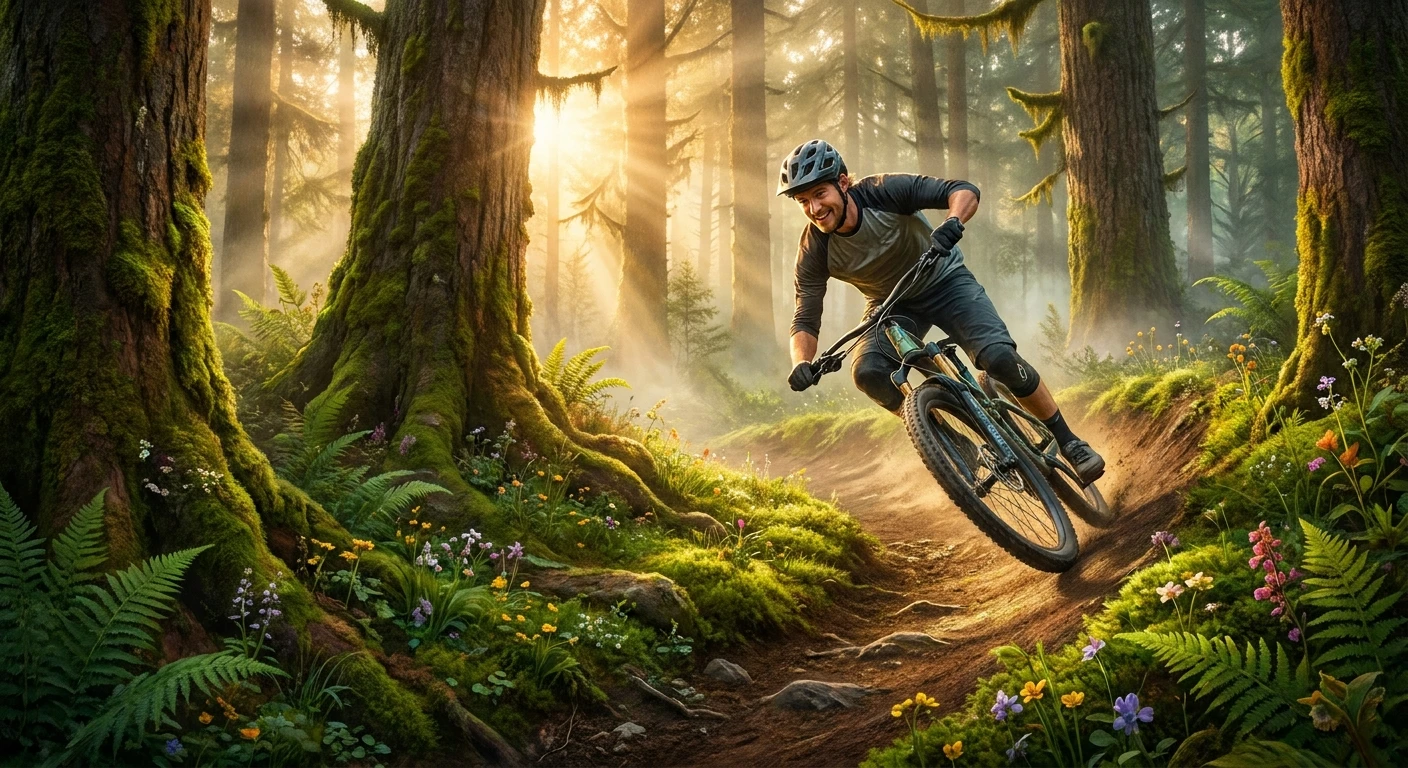
For off-road cycling enthusiasts and trail runners, the Subaru Trailseeker series stands as the gold standard for competitive and recreational racing. Spanning multiple provinces and offering routes designed for diverse skill levels, this premier event brings together thousands of athletes who share a passion for dirt, grit, and endurance. Whether you are aiming for a podium finish in the elite marathon batch or simply looking for a scenic weekend ride with your family, understanding the mechanics of these events ensures you get the most out of your entry. The series has grown significantly over the years, shifting from a niche local gathering into a massive national phenomenon that sets the benchmark for route marking, water point hospitality, and overall rider safety. We will break down exactly what makes these events so popular, how to choose the right distance for your current fitness level, and what specific training protocols yield the best results on race day.
A major part of the appeal lies in the meticulous organization and the festival-like atmosphere at the race villages. Participants are greeted with pumping music, mechanical support stands, and a vibrant community of like-minded adventurers. By combining high-stakes elite racing with accessible fun rides, the organizers have successfully built an inclusive ecosystem. Achieving success on these trails requires more than just raw fitness; it demands technical proficiency, sensible pacing, and a dialed-in equipment setup. Below, we detail the core elements of the series, the physiological demands of off-road endurance sports, and a structured approach to conquering your chosen route.
Read also: Navigating NB School Closures: Updates & Alerts; Coast Tire Moncton: Complete Auto Service Guide.
Selecting Your Challenge
One of the primary benefits of the Subaru Trailseeker events is the variety of race distances available. This tiered approach allows riders to progress naturally through the ranks season by season. Choosing the correct distance is crucial for having an enjoyable experience rather than a grueling survival test. The routes are typically characterized by a mix of fast-flowing singletrack, challenging rocky ascents, and wide gravel district roads that allow for overtaking. To help you categorize your goals, review the standard event options below.
| Race Category | Distance (Approx.) | Target Participant Profile |
|---|---|---|
| Fun Ride / Fun Run | 10km – 20km | Beginners, families, and young children building confidence. |
| Half Marathon | 40km | Intermediate riders seeking a solid cardiovascular challenge. |
| Full Marathon | 70km+ | Advanced athletes, competitive age-groupers, and professionals. |
The value proposition of participating in a structured series like this extends beyond physical fitness. First, it provides a measurable benchmark to track your athletic progress throughout the calendar year. Second, it grants you access to exclusive private farm trails and nature reserves that are otherwise closed to the public. To ensure you maximize these benefits and reach the finish line safely, follow this structured preparation framework:
- Evaluate Your Current Fitness: Be realistic about your cardiovascular base. If you have never ridden longer than two hours, jumping straight into the 70km marathon could result in severe cramping and fatigue. Start with the 40km half-marathon to gauge your technical handling under fatigue.
- Optimize Your Equipment: Mountain biking on varied terrain requires reliable brakes, smooth shifting, and appropriate tire tread. Have a professional mechanic service your drivetrain and bleed your hydraulic brakes at least two weeks before race day to prevent mechanical DNFs (Did Not Finish).
- Master Trail Etiquette: Racing in a large pack means you will frequently need to pass slower riders or be passed by faster ones. Always communicate clearly by calling out ‘Track left’ or ‘Track right’ and wait for a safe, wide section of the trail before making your move.
Origins of the Series
The landscape of South African mountain biking has always been robust, but the early 2010s saw a massive boom in mass-participation events. Before major automotive sponsors stepped in, local races were often fragmented, lacking standardized rules, consistent timing systems, and reliable route marking. The inception of a unified, multi-leg series changed the dynamic entirely. It created a reliable calendar where athletes could plan their entire season, accumulating points for an overall series victory. Early iterations focused primarily on the Gauteng province, utilizing popular trail parks and surrounding agricultural lands to craft challenging but rewarding courses.
Evolution to the Subaru Era
As the series gained traction, it attracted significant corporate backing, eventually transitioning into the Subaru Trailseeker era. This partnership brought substantial infrastructural upgrades to the events. Subaru’s involvement allowed for better medical support, highly visible branding, professional media coverage, and improved logistics at the start and finish venues. The introduction of lead vehicles for the elite men’s and women’s batches added a layer of professional prestige. Furthermore, the funding facilitated the expansion of the series into other provinces, introducing riders to completely different topographies, from the dusty highveld to the lush, mountainous coastal regions.
The Modern State of Racing
Today, the series operates as a well-oiled machine that caters to a broad demographic. The modern era has seen the successful integration of e-bike categories, reflecting the changing landscape of cycling technology. Dedicated trail running events have also been heavily integrated into the weekends, turning the series into a comprehensive off-road festival. Real-time digital timing mats, drone photography, and live social media updates are now standard features. The organizers continually refine the routes, removing bottlenecks and adding purpose-built singletrack to ensure the racing remains fluid, safe, and exhilarating from start to finish.
Biomechanics of Trail Riding
Conquering the rugged routes of the Subaru Trailseeker series requires a deep understanding of cycling biomechanics and equipment physics. Unlike road cycling, where power output is relatively steady, mountain biking is highly stochastic. Riders must produce massive power spikes to clear steep, rocky obstacles, followed by periods of micro-recovery during technical descents. This constant shifting between aerobic and anaerobic energy systems demands a high VO2 max and an excellent lactate clearance capacity. Core strength is equally vital; stabilizing a bicycle over loose rocks and roots requires constant upper body engagement, particularly from the latissimus dorsi, triceps, and abdominal muscles.
Bike Geometry and Setup
The technical demands of the trails mean that your bicycle’s geometry and suspension kinematics play a massive role in your overall efficiency. Modern cross-country (XC) bikes favor slacker head tube angles and steeper seat tube angles, placing the rider in an optimal position for both aggressive descending and efficient climbing. Proper suspension setup is critical. A fork or shock that is too stiff will cause the bike to deflect off rocks, losing traction and speed, while a setup that is too soft will absorb pedal energy, making climbing sluggish.
- Tire Pressure Optimization: Running tubeless tires at lower pressures (typically between 18 and 25 PSI, depending on rider weight) increases the contact patch with the ground, drastically improving grip on loose gravel and reducing rolling resistance over rough terrain.
- Suspension Sag: Setting your suspension sag to roughly 20-25 percent of total travel ensures the wheels can track the contours of the trail, maintaining traction during hard cornering and braking.
- Pacing Metrics: Utilizing a power meter or a heart rate monitor helps manage effort. Staying below your functional threshold power (FTP) during the first half of the race preserves glycogen stores for the critical final kilometers.
Day 1: Base Mileage Review
Exactly one week before your event, your focus should shift from building fitness to shedding fatigue. On Day 1 of race week, complete a moderate endurance ride of about 90 minutes. Keep your heart rate strictly in Zone 2. The goal is to keep the legs moving, promote blood flow, and flush out any lingering metabolic waste from your previous heavy training blocks. Do not attempt any massive climbs or high-intensity sprints today.
Day 2: Interval Training
To keep your fast-twitch muscle fibers primed, Day 2 involves a short, sharp interval session. After a thorough warm-up, execute four to five sets of two-minute efforts at your threshold pace, followed by equal recovery time. This neurological primer ensures your body remembers how to suffer briefly, which is exactly what you will need when navigating the short, punchy climbs characteristic of the series routes. Keep the total workout under an hour.
Day 3: Technical Skills Check
Spend Day 3 off the main roads and on a local trail network. Practice your cornering, focusing on keeping your outside pedal down and your weight centered. Rehearse riding over small drop-offs and navigating rock gardens. This session is entirely about building confidence and fine-tuning your brain-to-muscle connection for technical terrain. Keep the intensity very low; it is a skills clinic, not a workout.
Day 4: Active Recovery
Day 4 is about absolute rest. Either take the day completely off the bike or spin for exactly 30 minutes on a stationary trainer at an incredibly light resistance. Use this day to finalize your travel logistics. Confirm your registration details, check the weather forecast for the race venue, and pack your gear bag with your helmet, shoes, sunglasses, and nutrition products.
Day 5: Nutrition Loading
Two days before the event, begin your carbohydrate loading phase. Increase your intake of complex carbohydrates like sweet potatoes, oats, brown rice, and quinoa. Avoid heavy, greasy, or highly fibrous foods that could cause gastrointestinal distress on race morning. Simultaneously, increase your fluid intake. Hydration is a multi-day process; drinking liters of water on the morning of the race will only leave you feeling bloated.
Day 6: Equipment Shakedown
The day before the race, perform a final 20-minute shakedown ride. Shift through all the gears, test the front and rear brakes, and check your tire sealant. Ensure your electronic shifting batteries, cycling computer, and heart rate monitor are fully charged. Lay out your race kit, pin your race number to your jersey, and prepare your water bottles with your preferred electrolyte and carbohydrate mix.
Day 7: Race Day Execution
Wake up at least three hours before your start time. Consume a familiar, easily digestible carbohydrate-rich breakfast. Arrive at the race village with plenty of time to park, collect your timing board if you haven’t already, and warm up. Once the gun goes off, strictly adhere to your pacing strategy. Do not get caught up in the initial adrenaline rush. Eat solid foods early in the race, switch to gels later, and drink to a schedule rather than waiting until you feel thirsty.
Myths and Realities of Off-Road Racing
Myth: You need a completely carbon fiber, dual-suspension professional bike to participate. Reality: While high-end bikes offer marginal gains and increased comfort, a well-maintained aluminum hardtail is perfectly capable of completing any distance in the series safely and efficiently.
Myth: Trail running and mountain biking events held on the same weekend ruin the routes. Reality: The organizers meticulously design specific, segregated routes for runners and cyclists. Where paths cross, strict marshalling ensures the safety and flow of all athletes.
Myth: If you are at the back of the pack, the water points will be empty. Reality: The logistics teams are highly experienced and provision the water points based on total entry numbers, ensuring that even the final finisher receives adequate hydration and nutritional support.
Myth: Off-road racing is exclusively a solitary, individual effort. Reality: The atmosphere on the route is highly collaborative. Riders frequently help each other fix punctures, share spare tools, and offer encouragement during steep climbs.
How do I enter?
Entries are handled exclusively through the official event portal online. Early bird registrations usually open months in advance, offering discounted rates, while late entries might incur a penalty fee or be closed entirely if the batch limits are reached.
What are the age limits?
Age restrictions vary strictly by distance to comply with national federation safety rules. The 10km fun rides are open to young children (often accompanied by an adult), while the 70km marathon distances require participants to be at least 19 years old in the year of the event.
Are e-bikes allowed?
Yes, e-bikes are warmly welcomed and have their own dedicated starting batches and podium categories. However, e-bikes must comply with standard regulations, typically meaning a speed limiter set at 25km/h and no manual throttles.
Is there water on the route?
Absolutely. Depending on the distance, riders will encounter several fully stocked water points featuring isotonic drinks, water, fresh fruit, and sometimes mechanical lube stations. However, riders must still carry their own primary hydration on their bikes.
What happens if it rains?
The events are generally held rain or shine. In the case of severe, life-threatening weather (such as extreme lightning or heavy flooding that destroys bridges), the race director may delay the start, shorten the route, or, in rare circumstances, cancel the event for safety.
Can spectators attend?
Spectators are highly encouraged at the race village, where there is food, coffee, and entertainment. However, spectator vehicles are strictly prohibited on the actual race routes to ensure the safety of the athletes and emergency medical vehicles.
Where do I find my results?
Results are typically streamed live to a timing website accessible via smartphones. Official, verified results are then published a few hours after the final finisher crosses the line, complete with age category breakdowns and overall series standings.
Taking part in the Subaru Trailseeker series offers an unparalleled opportunity to push your physical limits, explore stunning local landscapes, and connect with a passionate outdoor community. By selecting the appropriate distance, committing to a structured training plan, and preparing your equipment meticulously, you guarantee yourself a memorable and successful day on the dirt. Get out on the trails, test your endurance, and join the starting chute at the next event!