
Understanding the Costco Merivale Gas Price Dynamics
Finding the most accurate Costco Merivale gas price is a daily priority for drivers navigating the busy corridors of Nepean and the greater Ottawa area. The wholesale club business model revolves around offering bulk goods at reduced margins, and this philosophy extends directly to their fuel stations. By capping their profit margins on gasoline, the warehouse creates a powerful incentive for members to renew their annual subscriptions and visit the brick-and-mortar location more frequently. Tracking these rates gives commuters a reliable benchmark against the broader local fuel market, ensuring they keep more money in their wallets over the course of the year. The Nepean location operates a high-capacity layout designed specifically to handle large volumes of traffic efficiently. Understanding how these fuel centers operate, the science behind the gasoline they dispense, and the best times to visit can completely change your weekly commuting routine. Instead of guessing where to find the best value, drivers who master the logistics of this specific location can optimize their budgets systematically while maintaining the long-term health of their vehicle’s engine.
The Core Mechanics of Warehouse Fuel Savings
The primary advantage of the Costco Merivale gas price lies in the sheer volume of fuel the station pumps daily. High turnover means the underground storage tanks are replenished constantly, allowing the retailer to adapt to wholesale crude market changes swiftly. For frequent drivers, the financial value proposition is undeniable. Consider a daily commuter who drives a mid-sized sedan across town every day. Over a month, saving just a few cents per liter adds up to substantial annual returns that easily offset the cost of the warehouse membership. Alternatively, imagine a family taking a long summer road trip; filling up a large SUV or minivan at a discount before hitting the highway creates immediate, tangible budget relief.
Read also: Atlas Pawn Guide: How Valuations and Loans Work; Heat Pump vs Gas Furnace Ontario: What to Choose.
| Fuel Grade Type | Typical Market Advantage | Ideal Vehicle Use Case |
|---|---|---|
| Regular (87 Octane) | Consistently below local averages | Standard commuter sedans and minivans |
| Premium (91 Octane) | Significant margin reduction vs competitors | Luxury vehicles and high-performance engines |
| Top Tier™ Additives | Included at no extra retail markup | All internal combustion engines needing cleaning |
To fully capitalize on these station dynamics, drivers should follow a systematic approach to their fuel runs. Implementing a routine ensures that the time spent navigating the parking lot translates into genuine financial gain.
- Evaluate your vehicle’s tank capacity to ensure you are filling up when close to empty, maximizing the volume purchased per trip.
- Monitor the price spread between regular and premium fuel grades if your engine requires higher octane, as the savings multiplier often increases on premium blends.
- Factor in the distance driven from your home or workplace to the Merivale location to ensure the trip itself does not consume the savings you intend to capture.
Origins of the Merivale Road Fuel Station
The integration of gasoline sales into the warehouse shopping experience did not happen overnight. Merivale Road has historically served as a major commercial and retail artery for Nepean, drawing consumers from surrounding neighborhoods. When big-box retailers first began experimenting with adjacent fuel centers, the goal was simple: provide an anchor service that guarantees foot traffic. The initial rollouts required significant logistical planning, from securing municipal zoning permits to designing traffic flow patterns that would not paralyze the existing retail parking infrastructure.
Evolution of Costco Gasoline Strategies
Over the years, the corporate strategy behind these fuel stations evolved from a simple loss-leader concept to a highly sophisticated operational division. Early iterations of warehouse gas stations featured standard pump layouts similar to neighborhood convenience stores. However, as membership numbers swelled, these traditional layouts caused massive bottlenecks. Engineers completely redesigned the canopy structures, introducing one-way traffic flows, extra-long pump hoses that reach both sides of a vehicle, and high-speed dispensers that drastically reduced the time each member spends at the pump.
Modern State of Retail Fuel in Ottawa
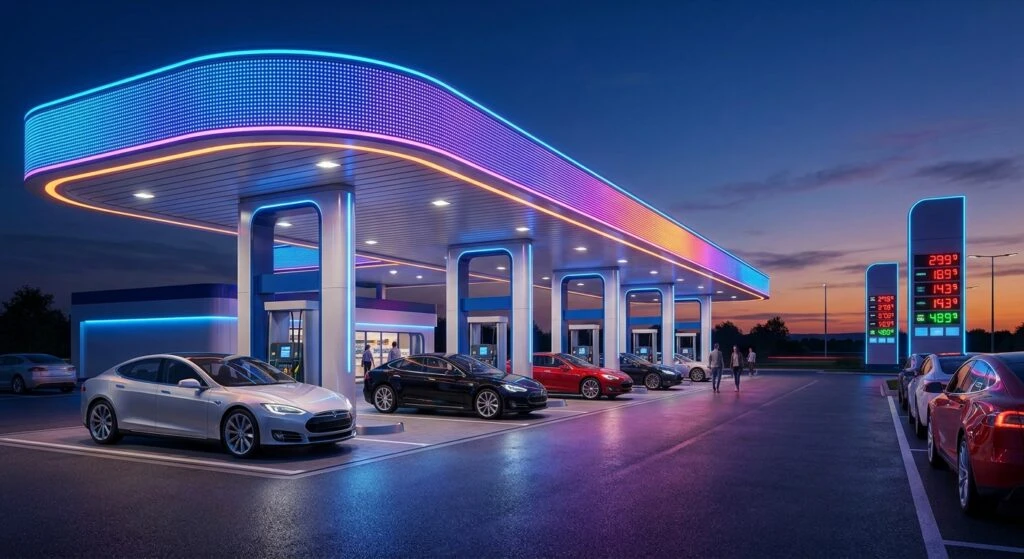
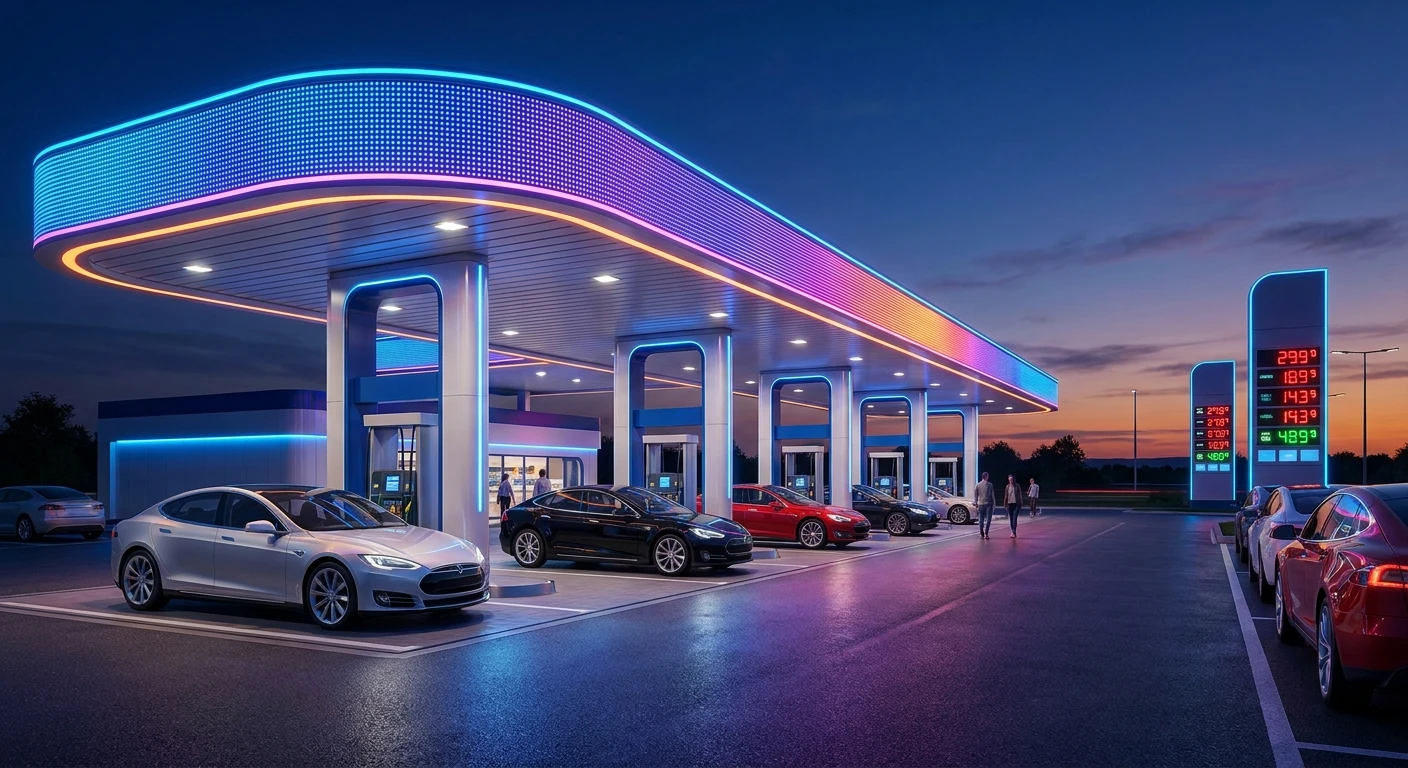
Today, the fuel market in the region is highly competitive, yet the warehouse model maintains a distinct edge. The Merivale station features multiple pump islands equipped with modern payment technologies. The site operates with precision, utilizing dedicated attendants who manage traffic flow, assist members with payment terminals, and ensure safety protocols are strictly followed. This modern iteration represents the pinnacle of high-volume retail fuel dispensing, blending advanced logistics with consumer-friendly pricing structures.
Fuel Additives and Engine Health
Beyond the immediate financial relief at the pump, the chemical composition of the fuel plays a critical role in long-term vehicle maintenance. The gasoline dispensed here is certified as TOP TIER™, a performance standard developed by major automotive manufacturers. This designation means the fuel contains a specific concentration of detergent additives designed to clean the engine as it runs. When fuel burns inside an internal combustion chamber, it naturally leaves behind carbon deposits. Over time, these deposits accumulate on intake valves and fuel injectors, reducing engine efficiency, increasing emissions, and causing a rough idle.
Logistics of High-Volume Gas Stations
The operational scale required to keep the pumps flowing smoothly involves complex mechanical and electronic systems working in tandem. The underground storage tanks (USTs) utilize advanced telemetry to monitor volume, temperature, and pressure in real-time.
- Automatic tank gauges continuously measure fuel levels, alerting the logistics network to dispatch tankers before supplies run low.
- Vapor recovery systems capture fugitive emissions during the filling process, returning them to the storage tank to protect the local environment and improve air quality.
- Temperature compensation mechanisms ensure that the volume of fuel dispensed is mathematically adjusted to account for the natural expansion and contraction of gasoline caused by seasonal weather fluctuations.
- High-capacity filtration units catch microscopic sediment and water particles before the fuel ever reaches your vehicle’s gas tank.
Step 1: Monitor Local Market Averages
Before heading out, smart drivers establish a baseline by checking the broader fuel market. Understanding what standard neighborhood stations are charging provides context. If the regional prices are spiking due to global supply chain issues, the warehouse pumps will likely reflect a delayed or buffered increase, making it the perfect time to secure a full tank.
Step 2: Time Your Visit Strategically
Timing is everything when navigating a high-volume location. The pumps are generally busiest during weekend afternoons and weekday rush hours between 4:00 PM and 6:00 PM. Arriving early in the morning shortly after the pumps open, or later in the evening near closing time, drastically reduces wait times and improves the overall experience.
Step 3: Utilize Membership Reward Cards
Payment strategy directly impacts your total savings. Using a co-branded cashback credit card can yield an additional percentage back on your fuel purchases. Ensure your membership card is active and easily accessible, along with your preferred tap-enabled payment method, to keep the transaction swift and seamless.
Step 4: Position Your Vehicle Correctly
One of the most uniquely engineered features of these stations is the extra-long dispensing hose. It is designed to extend across the back of most passenger vehicles. Therefore, you do not need to wait for a pump that aligns perfectly with your gas cap. Choose the shortest line and utilize the long hose to expedite your turn.
Step 5: Follow the Flow of Traffic
The one-way traffic system is strictly enforced for safety and efficiency. Follow the pavement arrows and the guidance of the station attendants. Keep a safe distance from the vehicle ahead of you, and do not attempt to bypass cars that are actively maneuvering into a pumping bay.
Step 6: Select the Appropriate Fuel Grade
Always verify your vehicle manufacturer’s recommendation for fuel octane. If your car requires 87 octane, purchasing 91 octane premium will not provide measurable performance benefits and simply reduces your net savings. Conversely, if your high-compression engine requires premium, utilizing the lower-cost warehouse premium fuel is a massive long-term financial advantage.
Step 7: Track Your Monthly Fuel Savings
Maintain a basic log or use a budgeting app to track your fuel expenditures. By calculating the difference between the warehouse rate and the local average, multiplied by the liters you pump, you can quantify exactly how much value your membership is providing on a monthly and annual basis.
Myths & Reality
Myth: Discounted gasoline lacks essential cleaning agents and will eventually damage your engine over time.
Reality: The fuel provided is strictly regulated and carries the TOP TIER™ certification, meaning it actually contains higher levels of engine-cleaning detergents than standard minimum government regulations require.
Myth: The time spent waiting in line completely negates any money saved at the pump.
Reality: Thanks to one-way traffic routing and high-speed dispensers, lines move exceptionally fast. Most drivers wait fewer than ten minutes, and the financial return for that short wait often exceeds typical hourly wage equivalents.
Myth: Premium fuel from wholesale clubs is just regular fuel with an artificial markup.
Reality: Premium fuel is precisely refined to a 91-octane rating to prevent engine knocking in high-performance and turbocharged vehicles, strictly adhering to all federal chemical composition and quality standards.
Frequently Asked Questions
Is the fuel price updated daily?
Yes, the pricing team monitors wholesale costs and local retail competition constantly, adjusting the rates at the pumps as necessary to maintain their targeted competitive advantage.
What are the station’s operating hours?
The gas station typically opens earlier and closes later than the main warehouse. Drivers should check the official app for exact seasonal hours, as they can shift slightly during holidays.
Can non-members buy gas here?
Generally, no. Access to the fuel pumps is an exclusive benefit restricted to active members. The payment terminal requires scanning a valid membership card before authorizing the transaction.
Are the pumps accessible from both sides of the car?
Absolutely. The specialized pump islands feature extended, retractable hoses that allow drivers to park on either side of the dispenser and easily reach their vehicle’s fuel door.
Does the station sell diesel fuel?
Not all wholesale locations carry diesel. It is critical to verify through the company’s official directory whether the specific Merivale pumps are equipped with dedicated diesel dispensers.
How do I report a pump malfunction?
There are always trained attendants on duty during operating hours wearing high-visibility safety vests. If a pump screen freezes or a receipt fails to print, signal an attendant for immediate assistance.
Does the warehouse match local gas station prices?
They do not dynamically match specific competitors on demand. Instead, their corporate policy dictates setting prices at a predetermined margin below the general regional average to ensure consistent savings.
Conclusion
Staying informed about the Costco Merivale gas price allows drivers to take absolute control over their commuting expenses. By mastering the operational logistics, choosing the optimal time to visit, and trusting the rigorously tested TOP TIER™ fuel quality, you guarantee the best return on your membership investment. Keep your tires inflated, plan your route efficiently, and enjoy the ongoing financial benefits. Check the current rates on the official app today and prepare for your next stress-free fill-up!