
Understanding the Robin Hood Bay Dump and Modern Waste Management
The Robin Hood Bay Dump represents a critical piece of infrastructure for regional waste management, standing as a primary example of how municipalities handle vast quantities of daily refuse. Located on the rugged coastline of St. John’s, Newfoundland and Labrador, this massive facility processes hundreds of thousands of tons of municipal solid waste, recycling materials, and hazardous household items every single year. Far from just a simple hole in the ground, this highly engineered site operates under strict environmental regulations designed to protect the surrounding coastal waters, local wildlife, and air quality.
Managing a regional landfill requires complex logistical planning and heavy engineering. The facility is the final destination for residential garbage, commercial construction debris, and community recycling programs. As urban populations expand, the pressure on waste management systems intensifies, making the efficient operation of sites like this absolutely essential for public health and environmental sustainability. From sophisticated weighing scales that track every incoming load to massive mechanical compactors that maximize airspace, the entire operation is a masterclass in modern civic engineering.
Read also: Stephenville International Airport Complete Guide; What To Do After A car accident calgary.
To truly grasp the scale of this operation, you have to look beyond the surface. It is a constantly evolving ecosystem of heavy machinery, chemical monitoring, and public education. The facility not only handles the end-of-life cycle for consumer goods but also serves as a central hub for diverting recyclable materials away from the active landfill cell, ensuring that valuable resources are recovered rather than buried forever.
The Core Mechanics of Large-Scale Waste Disposal
Operating a massive regional facility requires balancing environmental protection with sheer volume processing. The primary benefit of an integrated waste management facility is its ability to safely isolate hazardous materials from the natural environment while recovering usable resources. Without specialized infrastructure, untreated garbage would severely contaminate groundwater and release unmitigated greenhouse gases into the atmosphere. The negative impacts of improper waste disposal—such as pest infestations, noxious odors, and toxic runoff—are thoroughly mitigated through strict operational protocols and daily cover techniques.
Understanding the flow of materials is crucial for recognizing the value proposition of such a complex site. The facility categorizes incoming loads to ensure that every material is directed to its most appropriate end-state, maximizing the lifespan of the landfill and minimizing ecological harm. For instance, redirecting thousands of tons of cardboard and plastic extends the operational life of the facility by years, saving millions in future infrastructure costs.
| Waste Category | Processing Method | Environmental Impact/Benefit |
|---|---|---|
| Household Organic Waste | Burial and Anaerobic Digestion | Produces methane gas which is captured and flared to reduce warming potential. |
| Recyclable Plastics and Metals | Materials Recovery Facility (MRF) Sorting | Reduces virgin material extraction and saves valuable landfill airspace. |
| Household Hazardous Waste (Paint, Oil) | Chemical Segregation and Safe Storage | Prevents toxic heavy metals and chemicals from leaching into coastal groundwater. |
The daily operation relies on three fundamental pillars of modern sanitary landfill management:
- Aggressive Compaction: Heavy spiked-wheel compactors crush incoming waste to eliminate air pockets, maximizing the density of the garbage and extending the overall lifespan of the designated landfill cell.
- Daily Cover Application: At the end of each operating day, the active working face of the landfill is covered with soil, specialized tarps, or spray-on materials to prevent blowing litter, deter seagulls and rodents, and suppress odors.
- Material Diversion: Rigorous screening at the public drop-off zones ensures that banned items like tires, electronics, and hazardous chemicals are pulled out of the general waste stream before they ever reach the burial site.
The Early Origins of the Site
The history of the site reflects a broader global shift in how society views trash. In its earliest decades, the location operated much like any mid-20th-century municipal dump. Regulations were minimal, and the primary goal was simply to move garbage out of sight and out of mind. Open burning was a common practice used to reduce the volume of the waste, a method that frequently resulted in thick, toxic smoke blanketing the surrounding coastal areas. Because the site sits directly adjacent to the harsh Atlantic Ocean, early operations struggled with severe issues related to blowing debris and untreated runoff flowing directly into the sea. There were very few controls on what types of materials could be dumped, leading to a volatile mix of industrial, commercial, and residential waste interacting in unpredictable ways.
Evolution into a Sanitary Landfill
As environmental science advanced and public awareness grew, the necessity for a radical transformation became undeniable. The transition from a loosely managed open dump into a highly engineered sanitary landfill marked a major turning point. Millions of dollars were invested in reshaping the landscape. The chaotic, unregulated dumping practices were halted, replaced by strict cellular burial methods. Engineers instituted comprehensive grading plans to control surface water runoff, ensuring that clean rainwater was diverted away from the garbage. Furthermore, the practice of open burning was strictly prohibited, immediately improving local air quality. The perimeter was secured to prevent unauthorized dumping, and weigh scales were installed to track the exact tonnage entering the site, allowing for accurate forecasting and municipal billing.
The Modern State of Operations
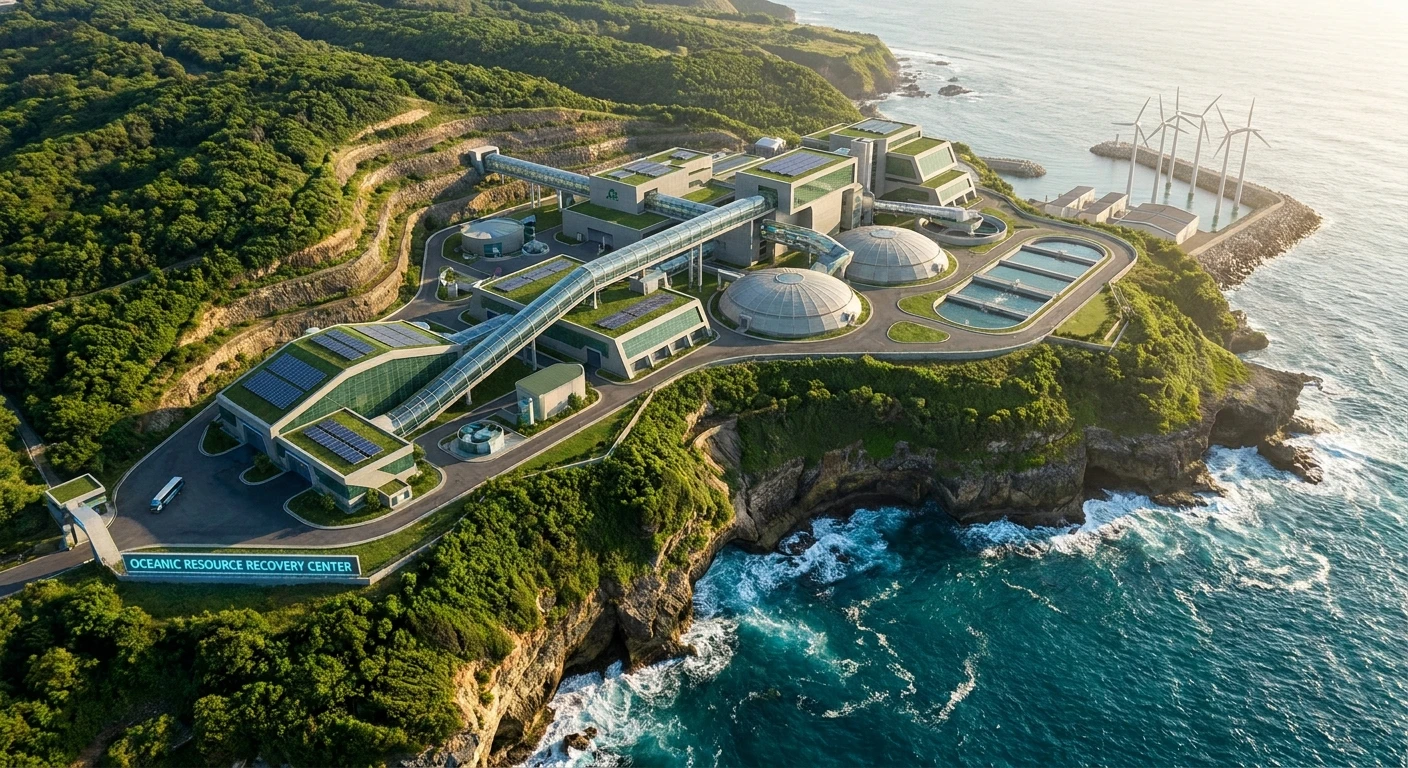
Today, the facility operates as an Integrated Waste Management Centre. It is a highly regulated, tightly controlled industrial site that adheres to stringent provincial and federal environmental standards. The modern infrastructure includes a massive Materials Recovery Facility designed to process blue-bag recyclables automatically. Public access is carefully managed through dedicated residential drop-off areas, keeping civilian vehicles away from the dangerous heavy machinery operating at the active landfill face. Continuous environmental monitoring, including groundwater testing and air quality sampling, ensures that the facility operates within safe parameters. The site stands as a testament to how far environmental engineering has come, transforming a historical ecological liability into a sustainable, long-term civic asset.
Engineered Liners and Leachate Collection
The unseen science beneath the surface of a modern landfill is arguably its most critical component. When rain falls on a landfill, the water percolates down through thousands of tons of decomposing garbage. As it travels, it picks up dissolved chemicals, heavy metals, and organic compounds, creating a highly toxic liquid known as leachate. To prevent this leachate from contaminating the underlying bedrock and nearby ocean, the bottom of the active landfill cell is lined with a complex barrier system. This typically includes a thick layer of compacted clay topped with a High-Density Polyethylene (HDPE) geomembrane. Above this plastic liner sits a drainage layer made of gravel and perforated pipes. These pipes act like a massive underground plumbing system, actively collecting the toxic leachate and pumping it to specialized treatment facilities where it is neutralized before it can harm the environment.
Landfill Gas Capture Mechanisms
Deep inside the mountain of compacted trash, organic materials like food scraps and paper undergo anaerobic decomposition—meaning they break down in the complete absence of oxygen. This biological process generates landfill gas, which is roughly 50% methane and 50% carbon dioxide.
- Global Warming Potential: Methane is an incredibly potent greenhouse gas, trapping roughly 25 times more heat in the atmosphere than carbon dioxide over a 100-year period.
- Extraction Wells: To combat this, engineers drill vertical gas extraction wells deep into the waste mass, applying a vacuum to pull the dangerous gases out before they can migrate to the surface.
- Flaring Operations: The captured methane is routed to a centralized flare station where it is combusted at extremely high temperatures, converting the methane into much less harmful water vapor and carbon dioxide.
- Odor Control: Capturing these gases also eliminates the noxious, sulfurous odors typically associated with decomposing garbage, vastly improving the quality of life for nearby residents.
Step 1: Pre-Sorting Household Waste
Efficiency starts in your own garage or driveway. Before heading to the facility, sort your materials into distinct categories: general household garbage, blue-bag recyclables, electronics, and yard waste. Mixing these items together guarantees a frustrating experience on-site and slows down the process for everyone behind you in line.
Step 2: Identifying Hazardous Materials
Take a close look at your garage or shed before your trip. Items like leftover latex paint, used motor oil, car batteries, propane tanks, and old pool chemicals are strictly prohibited from the general garbage stream. Set these aside in a secure, leak-proof container in your vehicle, as they must be handed over to the dedicated household hazardous waste depot.
Step 3: Securing Your Load
Never underestimate the coastal winds. Whether you are driving a pickup truck or a small trailer, every single load must be securely tarped and tied down. Transporting unsecured waste not only results in heavy fines but also creates dangerous road hazards and contributes to litter along the highways leading to the facility.
Step 4: Navigating the Weigh Scales
When you arrive, pay close attention to the traffic lights and signage at the scale house. Pull onto the scale slowly and wait for the attendant’s signal. Have your identification and payment method ready if you are carrying commercial or construction waste, though standard residential loads often bypass tipping fees depending on local municipal regulations.
Step 5: Utilizing the Public Drop-Off Area
Residential users are directed to a specialized public drop-off zone (often called a transfer station or convenience center). Follow the clearly marked bins. Back your vehicle in carefully, keeping an eye out for pedestrians. Deposit your sorted materials into their respective roll-off containers—do not throw everything into the first empty bin you see.
Step 6: Handling Electronic Waste Properly
Old televisions, broken laptops, and tangled power cords contain valuable precious metals and highly toxic components like lead and mercury. Direct these items strictly to the e-waste pallets or designated electronics bins. Proper disposal ensures these hazardous elements are safely recycled rather than crushed into the ground.
Step 7: Post-Visit Vehicle Maintenance
After leaving the drop-off zone, pull over in a safe, designated area to remove any remaining straps or tarps. Check your tires immediately; landfill access roads are notorious for hiding rogue nails, screws, and sharp debris. A quick visual inspection can save you from a flat tire on your drive home.
Myths & Reality Concerning Regional Landfills
Myth: Everything brought to the facility just gets dumped into one giant, bottomless hole.
Reality: Waste is heavily segregated upon arrival. Recyclables, hazardous chemicals, electronics, and metals are all diverted to specific processing areas. Only genuine residual waste is sent to the active, engineered landfill cell for burial.
Myth: Landfills are lawless, completely unregulated zones that pollute the environment freely.
Reality: Modern waste facilities are heavily regulated industrial sites. They undergo continuous environmental monitoring, including daily groundwater testing, gas emission tracking, and strict audits by provincial and federal environmental agencies.
Myth: Methane gas produced by decomposing garbage just dissipates harmlessly into the sky.
Reality: Methane is highly explosive and a severe greenhouse gas. It is actively extracted from the waste mass through a network of underground pipes and safely flared off at high temperatures to neutralize its environmental impact.
Myth: Sorting recycling is pointless because it all ends up in the garbage anyway.
Reality: Materials Recovery Facilities process millions of pounds of recyclables annually, baling them and selling them to global commodity markets. Mixing them with raw garbage is economically and environmentally counterproductive.
Where is the facility located?
It is situated on the coastal edge of the region, specifically zoned away from dense residential neighborhoods to minimize traffic and noise disruptions.
What are the standard operating hours?
The site generally operates from early morning to late afternoon, Tuesday through Saturday, though hours often shift during winter months or major statutory holidays.
Are tipping fees required for residents?
Standard household waste in a regular passenger vehicle is typically free of charge for local residents, whereas commercial trucks and large construction trailers must pay a fee based on the weight of their load.
Can I drop off old leftover paint?
Yes, liquid paint is accepted but it must be taken specifically to the household hazardous waste depot, not thrown into the regular garbage bins.
Is heavy commercial waste accepted?
Yes, commercial haulers use the facility daily, though they are usually directed to the active working face of the landfill rather than the residential drop-off area.
What exactly is the blue bag program?
It is the regional recycling initiative where residents place approved plastics, tin, and aluminum into transparent blue bags to be sorted mechanically at the recovery facility.
How is the nearby ocean protected?
The entire active landfill is underlain by impermeable plastic liners and clay that catch toxic liquid (leachate), which is pumped out and treated before it can ever reach the marine environment.
Are old car tires accepted?
Tires are generally accepted but must be separated, as they are often shipped to specialized shredding facilities to be repurposed into rubberized asphalt or playground mulch.
What should I do with yard brush and grass?
There is a designated organic waste drop-off area specifically for branches, leaves, and grass clippings, which are managed separately from standard household trash.
Understanding the vast complexities of modern waste management transforms the way we view our daily consumption. By following the sorting guidelines, respecting the infrastructure, and maximizing our recycling efforts, we all play a vital role in extending the lifespan of these massive civic facilities. If you found this breakdown of the Robin Hood Bay Dump operations helpful and informative, share these best practices with your family and neighbors to ensure a cleaner, safer environment for generations to come!