

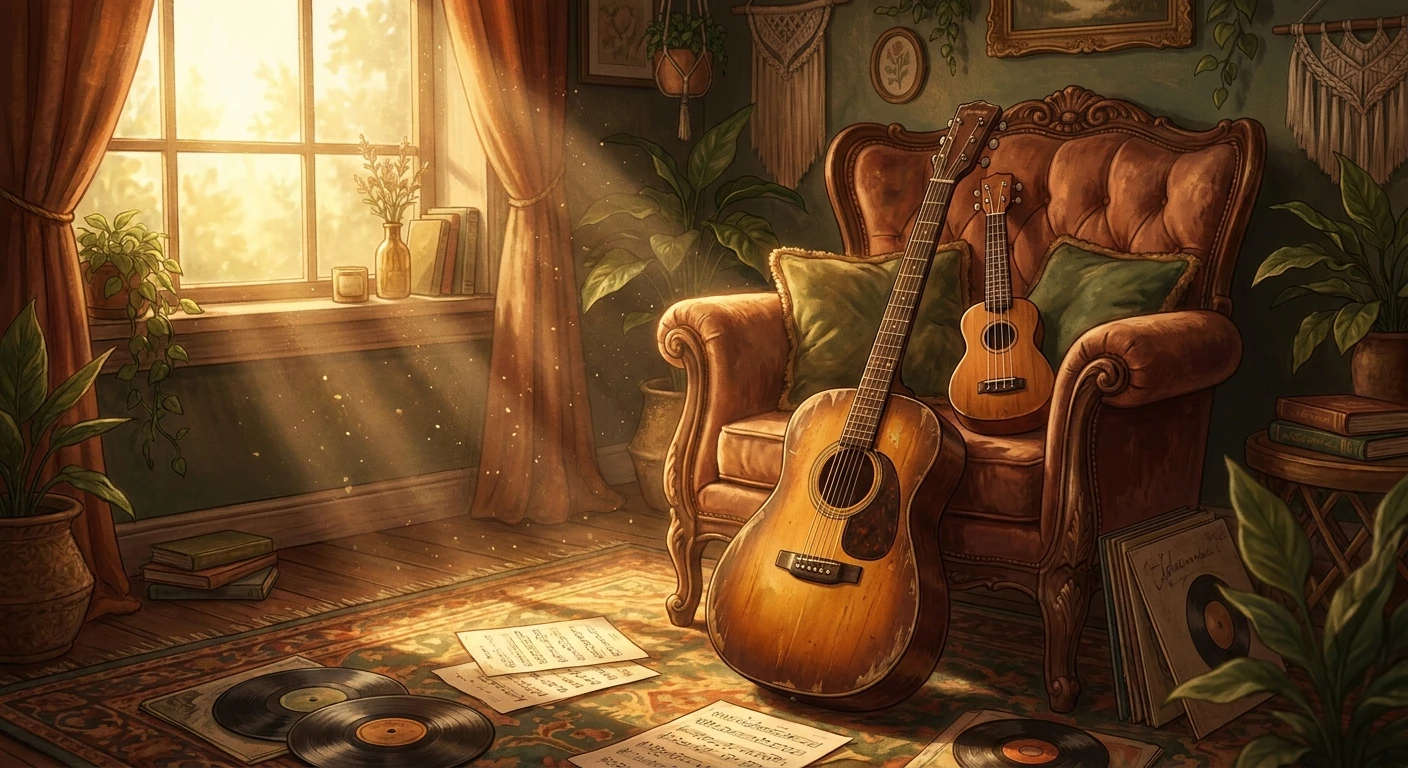
Who is Lauren Bird and Why Her Music Resonates
If you have been tracking the pulse of authentic independent music, the name Lauren Bird represents an absolute masterclass in turning raw emotion into acoustic brilliance. You know that specific feeling when a song just hits right, speaking directly to your current mood? That is exactly the wavelength we are operating on here. Independent artists are completely rewriting the rules of the music industry. They bypass the massive corporate machines and speak directly to listeners who crave genuine connection. By the time we hit the landscape of 2026, the digital streaming environment has completely leveled the playing field, allowing artists armed with just a ukulele, a notebook, and a whole lot of honesty to reach millions of eager ears. The magic lies strictly in the vulnerability. When artists stop trying to sound synthetic or flawless and start trying to sound real, a deep parasocial bond forms. This thesis is undeniable: stripped-down, conversational music provides an emotional anchor that highly produced, artificial stadium pop simply cannot match. You are going to see exactly how this specific blend of honest songwriting and acoustic simplicity operates on a fundamental level, providing comfort to a generation that desperately needs authentic voices.
The sheer impact of independent acoustic artists on the modern musical ecosystem cannot be overstated. You get this unique combination of gentle instrumentation paired with lyrics that hit right in the chest. Let’s look at the foundational elements that make this musical style work so flawlessly and why listeners keep coming back for more.
Read also: Ultimate Listener Guide for 1460 cjoy; Why anne drewa Leads Modern News.
| Musical Element | Core Characteristic | Direct Listener Benefit |
|---|---|---|
| Lyrical Themes | Mental Health & Daily Struggles | Offers profound emotional validation and a sense of shared experience |
| Instrumentation | Ukulele & Acoustic Guitar | Creates a calming, safe auditory space free from aggressive basslines |
| Vocal Delivery | Soft, Conversational Tones | Fosters a highly intimate, friend-to-friend connection with the audience |
The value proposition of this specific niche of music is brilliantly twofold. First, it serves as the ultimate decompression soundtrack. Imagine you just finished a chaotic, high-stress shift at work; throwing on some acoustic indie pop immediately lowers your heart rate and signals your brain that it is time to relax. Second, it acts as a mirror for personal reflection. The lyrics often tackle social anxiety, existential dread, or complex relationships, framing those heavy, burdensome topics in upbeat, major-chord melodies.
Here are the core reasons this specific artistic approach totally dominates modern playlists:
- It relies heavily on emotional authenticity rather than relying on auto-tune and synthetic perfection, making mistakes feel like deliberate stylistic choices.
- The minimalist production ensures the vocal performance and the storytelling remain the absolute center of attention, never getting buried under heavy drum loops.
- It bridges the gap between traditional folk storytelling and modern pop sensibilities, creating a genre fluid enough to appeal to widely diverse demographics and age groups.
The Origins of Her Sound
Tracing back the roots of the modern acoustic indie wave reveals a fascinating timeline of technological and cultural shifts. It all started with the “bedroom pop” movement. Young creators realized they did not need a massive budget or a shiny Los Angeles studio to make a point. They sat on their beds, set up a basic USB microphone, and sang directly to their webcams. This era was defined by its lo-fi charm, where background noise and imperfect guitar tuning were just part of the aesthetic. It was a rebellion against the over-polished pop anthems of the early 2010s, giving listeners something gritty, real, and incredibly endearing.
Evolution of Independent Pop
As the years rolled on, the genre matured drastically. Artists upgraded their gear, moving from simple USB mics to proper audio interfaces and digital audio workstations. The evolution brought better sound quality while aggressively maintaining the original DIY ethos. Musicians learned how to mix and master their own tracks via YouTube tutorials, effectively taking on the roles of producer, audio engineer, and marketing manager all at once. The sound became richer, incorporating subtle harmonies, light percussion, and occasionally, soft synth pads that elevated the standard ukulele track into a fully realized cinematic experience.
The Modern State of Acoustic Artists
Right now, in 2026, the power dynamic has completely shifted toward the independent creator. Major labels are no longer the ultimate gatekeepers of success. Artists utilize direct-to-fan funding platforms, exclusive communities, and algorithmic playlisting to build sustainable, highly lucrative careers. They own their master recordings, control their tour schedules, and release music whenever inspiration strikes rather than adhering to rigid corporate timelines. The acoustic artist of today is a sharp entrepreneur disguised as a carefree troubadour, mastering both the art of songwriting and the science of digital distribution.
The Technical Mastery Behind Acoustic Pop
Let’s talk about what is actually happening behind the mixing desk. When you strip a song down to just a voice and a ukulele, you have absolutely nowhere to hide. This requires a level of technical mastery that often goes completely unnoticed. Audio engineers must carefully manage the dynamic range—the difference between the loudest and quietest parts of the song. If you compress an acoustic track too heavily, it loses all its life and sounds robotic. If you leave it too loose, the subtle finger-picking gets lost. Furthermore, vocal EQ (equalization) becomes critical. You have to carve out specific frequencies so the warmth of the singer’s voice sits perfectly above the strumming without clashing. It is a highly delicate balancing act of retaining raw emotion while delivering broadcast-quality audio.
Psychological Resonance of Vulnerable Lyrics
There is a literal science to why sad lyrics paired with happy instrumentation make your brain light up. It creates a fascinating cognitive dissonance. Your auditory cortex processes the bright, lively chords of a ukulele, releasing dopamine, while the language centers of your brain process the melancholic lyrics, triggering empathy and catharsis. This dual-action response is incredibly addictive.
- The frequency response of a standard ukulele naturally occupies the mid-high acoustic range, which human ears biologically associate with non-threatening, pleasant, and comforting stimuli.
- Raw, unedited vocal takes contain microscopic fluctuations in pitch and breath control that directly trigger empathy and trust responses in the listener’s brain.
- Utilizing a high dynamic range in the final mastering process allows the quiet, intimate, and whispered moments of a song to breathe, effectively preventing auditory listening fatigue over long sessions.
- Algorithmic digital playlisting heavily favors organic, acoustic tracks for user-generated “chill” or “focus” genres, drastically increasing an artist’s organic algorithmic reach.
Day 1: Start with the Acoustic Classics
Listen, if you really want to understand the essence of Lauren Bird and the genre she represents, you need a game plan. Start your Monday by setting aside 30 uninterrupted minutes to listen to foundational acoustic indie tracks. Put on some decent headphones, close your laptop, and just absorb the raw vocal takes. Notice how the simplicity of the instrumentation forces you to pay strict attention to the storytelling.
Day 2: Focus on Lyrical Analysis
On Tuesday, treat the music like poetry. Pull up the lyrics on your phone while the song plays. Look for the internal rhymes, the clever metaphors, and the subtle ways artists mask heavy emotional trauma behind quirky, upbeat wordplay. You will quickly realize that writing a seemingly simple acoustic song actually requires top-tier literary skills.
Day 3: Engage with Live Performances
By Wednesday, shift your focus to video. Go to YouTube and search for live, unplugged sessions. Watch how the artists physically interact with their instruments. Notice the complete lack of backing tracks or auto-tune. Live performances prove the absolute legitimacy of these musicians, showcasing their raw talent without any studio magic to fall back on.
Day 4: Understand the Instrumental Arrangement
Thursday is all about the rhythm. Listen specifically to how the strumming patterns of the ukulele or acoustic guitar dictate the entire tempo and groove of the song. Without a traditional drum kit, the guitarist must act as both the melodic lead and the rhythm section simultaneously. It is a brilliant display of musical multitasking.
Day 5: Connect with the Fan Community
Friday is social day. Jump into a Discord server, a Reddit thread, or an Instagram community dedicated to indie acoustic pop. Engage with other fans. You will find that the communities surrounding these vulnerable artists are incredibly supportive, welcoming, and eager to share their favorite obscure tracks and hidden gems.
Day 6: Support Independent Platforms
On Saturday, put your money where your ears are. Streaming is great, but buying merchandise, purchasing vinyl, or subscribing to a Patreon directly funds the artist’s life. By using independent platforms, you ensure that the creator keeps the vast majority of the revenue, allowing them to continue making the art you love without financial stress.
Day 7: Create Your Own Inspired Art
Finish the week by channeling your inspiration. Grab a pen and write a poem, doodle in a sketchbook, or maybe even pick up a cheap beginner ukulele yourself. The entire philosophy of this musical movement is that art belongs to everyone, and you do not need permission or formal training to start creating your own masterpiece.
Myth: Acoustic indie music is too simple to require any real technical or musical skill.
Reality: Stripping away heavy production and digital safety nets actually exposes every single flaw, demanding extreme precision in both vocal control, breath management, and instrument tuning to keep the listener engaged.
Myth: Independent artists like Lauren Bird cannot make a real, sustainable living without a major record label.
Reality: Thanks to direct-to-fan monetization, global digital distribution, and robust streaming royalties in 2026, niche artists easily thrive, often keeping 100% of their profits instead of giving it away to corporate executives.
Myth: The bedroom pop aesthetic is just a passing, temporary internet trend.
Reality: It has permanently and irreversibly altered global industry standards, training modern audiences to fiercely prioritize emotional authenticity and raw talent over high-budget, heavily sterilized studio gloss.
What exact genre does she fit into?
She seamlessly blends elements of indie pop, acoustic folk, and singer-songwriter traditions into a cohesive, intimate sound.
What are the primary instruments utilized?
The core sound is built entirely around the ukulele, acoustic guitar, and very light, organic percussion elements.
Where can fans easily find the music?
Her catalog is widely available across all major digital streaming platforms, digital storefronts, and direct-support community sites.
How does independent digital distribution actually work?
Artists use digital aggregators to securely push their mastered tracks to global platforms while fiercely retaining full ownership of their master rights.
Are the lyrics typically based on real, personal events?
Absolutely. Most acoustic indie artists pull heavily and directly from their own lived experiences, daily anxieties, and emotional battles.
Why is the ukulele so incredibly prominent in this specific genre?
It inherently offers a bright, highly accessible, and cheerful tone that contrasts beautifully and ironically with deep, introspective songwriting.
How can fans best support independent musicians financially?
Direct purchases of physical merchandise, concert tickets, and utilizing direct-funding platforms remain the absolute most lucrative support methods.
Understanding the rise of Lauren Bird and the broader acoustic indie movement gives you a profound appreciation for modern musical authenticity. We are living in an era where raw, unfiltered emotion completely outshines manufactured pop perfection. Keep supporting independent artists, keep analyzing the beautiful lyrics, and make sure to share this guide with anyone who appreciates genuine musical talent. Click the link below to follow her latest updates and stream the newest releases today!