

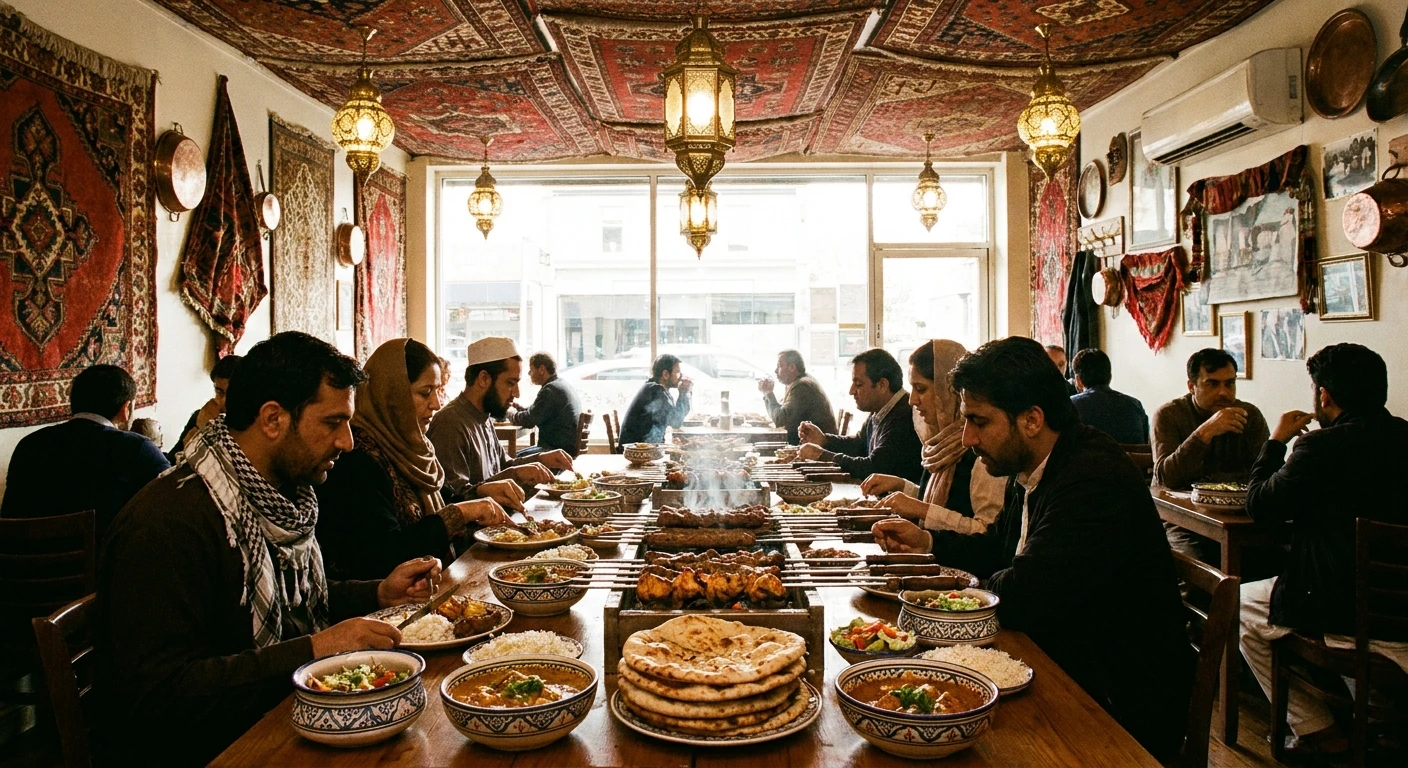
Discovering the Magic of a Khyber Pass Restaurant
Stepping into a Khyber Pass Restaurant is like taking a sensory journey across one of the most historic and vital trade routes in human history. The aroma of toasted cumin, smoky meats, and freshly baked bread immediately greets you, setting the stage for a culinary experience built on centuries of tradition. A genuine Khyber Pass Restaurant serves as a cultural ambassador, bringing the robust and deeply comforting flavors of Afghan and Pakistani cuisine straight to your dining table. This comprehensive guide explores the authentic ingredients, sophisticated cooking techniques, and rich cultural heritage that make this dining experience absolutely unforgettable. You will learn exactly what to order, how the dishes are traditionally prepared, and why this specific regional cuisine continues to capture the hearts and palates of food lovers globally.
The geographical mountain pass has historically served as a gateway bridging South Asia and Central Asia. Consequently, the food you find in a Khyber Pass Restaurant represents a magnificent culinary melting pot. Spices traded along the Silk Road found their way into local recipes, resulting in dishes that are aromatic rather than purely spicy, and hearty without being overly heavy. Expect to encounter a beautiful symphony of cardamom, coriander, turmeric, and saffron. Every plate tells a story of nomadic tribes, ancient empires, and a deep-seated tradition of boundless hospitality where guests are treated with the utmost reverence and respect.
Read also: Explore Vibrant african foodways; Ultimate Guide to Cherry Blossom Chocolate.
Core Flavors and Unmatched Dining Benefits
Understanding the menu at a Khyber Pass Restaurant requires a deep appreciation for the fundamental building blocks of the cuisine. The culinary philosophy revolves around balance. You get the richness of slow-cooked meats perfectly counteracted by the bright, acidic punch of fresh yogurt sauces and vibrant green chutneys. The nutritional profile is equally impressive, emphasizing whole grains, lean proteins, and an abundance of fresh vegetables and herbs.
Consider the immense value proposition of dining here. First, the ingredients are incredibly wholesome. You will rarely find heavily processed components; instead, you get fresh garlic, ginger, tomatoes, and onions forming the base of almost every curry and marinade. Second, the communal style of eating promotes a shared, joyous social experience. Platters are large, meant to be passed around and enjoyed collectively.
- Authentic Spice Mastery: The chefs utilize whole spices toasted and ground in-house to maximize the release of essential oils, ensuring maximum flavor extraction.
- Traditional Cooking Apparatus: The extensive use of the clay tandoor oven provides a unique smoky char and blistering heat that modern conventional ovens simply cannot replicate.
- Nutritional Synergy: The combination of complex carbohydrates from rice and flatbreads, alongside high-quality proteins and probiotic-rich yogurts, creates a highly satiating and balanced meal.
| Dish Name | Primary Ingredients | Flavor Profile |
|---|---|---|
| Kabuli Pulao | Basmati rice, lamb, carrots, raisins | Savory, aromatic, mildly sweet |
| Chapli Kebab | Minced beef, coriander, tomatoes, green chilies | Spicy, tangy, deeply savory with a crusty exterior |
| Mantu | Steamed dumplings, ground meat, onions, yogurt sauce | Garlicky, herbaceous, comforting |
The Origins of the Silk Road Cuisine
The culinary traditions celebrated at a Khyber Pass Restaurant date back centuries. Traders, merchants, and conquerors traveling through the rugged terrain needed sustenance that was both durable and deeply nourishing. They carried spices from India, combining them with the pastoral meat-heavy diets of Central Asian tribes. This cross-pollination created a distinct food culture characterized by elaborate rice dishes, skewered meats, and hearty breads designed to survive long journeys and harsh climates.
The Evolution of Afghan and Pakistani Eateries
As populations migrated, they carried these cherished family recipes across the globe. The first iterations of these eateries were humble, community-focused establishments aimed at serving homesick diaspora populations. Over the decades, these modest kitchens evolved into sophisticated dining destinations. Chefs began refining their plating techniques and expanding their menus to include regional specialties from Peshawar, Kabul, and Lahore, ensuring that the legacy of the cuisine remained intact while appealing to a broader international audience.
The Modern State of Khyber Dining Experiences
Today, dining at a Khyber Pass Restaurant represents a perfect synthesis of rustic tradition and modern hospitality. Contemporary establishments maintain strict adherence to authentic flavor profiles while accommodating modern dietary preferences, such as offering robust vegetarian, vegan, and gluten-free options. The interior decor often features intricate wood carvings, vibrant textiles, and traditional seating areas with plush cushions, transporting diners to a different era while providing the comforts of modern dining infrastructure.
The Science of Traditional Spice Blends
The distinctive taste of this cuisine relies heavily on the complex chemistry of spice blending. When chefs at a Khyber Pass Restaurant prepare their signature garam masala or specific meat rubs, they are engaging in precise culinary science. Heating whole spices before grinding triggers a process that releases volatile organic compounds. For instance, toasting cumin transforms its chemical structure, diminishing its raw bitterness and amplifying its earthy, nutty notes. The strategic use of turmeric introduces curcumin, a compound celebrated for its potent anti-inflammatory properties, while black pepper increases the bioavailability of these beneficial nutrients.
Mastering the Tandoor Oven Technique
The tandoor oven is a marvel of ancient thermodynamics. Constructed from clay and often insulated with materials like mud or concrete, the oven boasts immense thermal mass. This allows it to maintain blistering temperatures exceeding four hundred degrees Celsius. The cooking process inside a tandoor utilizes three distinct types of heat simultaneously.
- Radiant Heat: The intensely hot clay walls radiate energy directly into the food, ensuring rapid cooking and locking in natural juices.
- Convection Heat: Hot air naturally rises from the charcoal or wood fire at the base, creating a continuous thermal current that surrounds the food and cooks it evenly from all sides.
- Conduction Heat: When raw dough is slapped directly onto the scorching interior walls of the oven, heat transfers immediately through conduction, causing the bread to puff up dramatically and develop its signature charred bubbles.
- Maillard Reaction: The high temperatures trigger rapid browning on the surface of marinated meats, creating complex, savory flavor compounds that define the perfect kebab.
- Enzymatic Tenderization: The extensive use of yogurt in meat marinades introduces lactic acid and natural enzymes, which gently break down tough muscle fibers before the meat ever touches the heat.
Day 1: Starting with Starters and Sambosas
Begin your culinary exploration with the appetizers. Order a platter of Sambosas, which are crispy, triangular pastries stuffed with spiced potatoes, peas, or minced meat. Unlike their South Asian cousin, the samosa, these are often encased in a thinner, flakier dough. Pair them with a vibrant green chutney made from fresh cilantro, mint, green chilies, and lemon juice to awaken your palate and prepare your digestive system for the feast ahead.
Day 2: Exploring the World of Kebabs
Dedicate your next visit entirely to the art of the kebab. A proper Khyber Pass Restaurant will offer a dazzling variety. Try the Seekh Kebab, featuring minced meat blended with finely chopped onions and warming spices, molded onto skewers and grilled over open flames. Contrast this with the Tikka Kebab, consisting of larger, tender chunks of marinated meat. The smokiness imparted by the charcoal fire is absolutely essential to the authentic experience.
Day 3: The Comfort of Kabuli Pulao
No journey is complete without tasting Kabuli Pulao. This regal dish requires immense skill to execute perfectly. The basmati rice must remain separate and fluffy, never sticky. The lamb buried within the rice acts as a hidden treasure, braised until it yields to a spoon. The garnishes of sweet julienned carrots and plump raisins provide a necessary textural and flavor contrast to the rich, savory meat, creating a perfect bite every single time.
Day 4: Vegetarian Delights and Sabzi
Shift your focus to the magnificent plant-based offerings. Order Banjan Borani, an exquisite dish of sliced eggplants fried until golden, then simmered in a rich tomato sauce and topped with a generous dollop of garlic-infused yogurt and dried mint. Pair this with a side of Sabzi, a deeply savory spinach dish cooked with herbs and spices, proving that this cuisine treats vegetables with the exact same respect and complexity as its meat dishes.
Day 5: Rich Curries and Karahis
Dive into the robust, bubbling world of Karahis. Named after the heavy, wok-like iron vessel it is cooked in, a Karahi features meat rapidly stir-fried with tomatoes, green chilies, ginger, and black pepper. The high-heat cooking method results in a thick, intensely flavored sauce that aggressively clings to the meat. It is a rustic, powerful dish that demands to be eaten fresh from the stove.
Day 6: Bread Making and Tandoor Naans
Take time to appreciate the foundation of the meal: the bread. Order an array of different naans. Try the classic garlic naan, brushed with clarified butter and studded with minced garlic. Sample the heavier, deeply satisfying Keema Naan, stuffed with spiced ground meat. Notice the varied textures, from the crispy, blistered edges to the soft, pillowy center, perfectly designed for scooping up thick curries and savory sauces.
Day 7: Sweet Endings with Firni and Sheer Yakh
Conclude your exhaustive tasting menu with traditional desserts. Firni is a delicate, creamy rice pudding flavored prominently with cardamom and rose water, often garnished with crushed pistachios or almonds. If available, try Sheer Yakh, a traditional Afghan ice cream that is uniquely dense, stretchy, and intensely flavored with saffron and clotted cream, offering a refreshing and luxurious end to a massive, spice-laden meal.
Separating Fact from Fiction
Myth: All the food served here is excessively spicy and burns the palate.
Reality: The cuisine prioritizes deep, aromatic flavor over sheer heat. Spices like cardamom, coriander, and cumin build a warm flavor profile. If you prefer mild food, there are countless dishes designed specifically to be gentle and soothing.
Myth: The menu is strictly for meat lovers.
Reality: Vegetables hold a place of high honor. Dishes featuring eggplants, spinach, lentils, and potatoes are complex, deeply satisfying, and serve as brilliant standalone meals for vegetarians.
Myth: You need to follow strict, unfamiliar dining etiquette.
Reality: These restaurants are defined by their overwhelming hospitality. Come as you are, eat with your hands if you feel comfortable using naan as a utensil, or use standard cutlery. The goal is your comfort and enjoyment.
Myth: Tandoor naan is identical to store-bought flatbread.
Reality: Freshly baked tandoor naan utilizes a specific hydration ratio and is subjected to intense, immediate radiant heat, creating a uniquely complex texture of crispy bubbles and tender crumb that mass-produced breads cannot replicate.
Frequently Asked Questions
What is the most famous signature dish?
Kabuli Pulao is universally recognized as the signature dish, featuring aromatic steamed basmati rice, tender lamb, caramelized carrots, and raisins.
Is the food generally gluten-free?
Many core dishes, including the rice pilaos, kebabs, and curries, are naturally gluten-free. However, always verify with the staff, and be aware that the bread is made from wheat.
Do these establishments serve alcohol?
Traditionally, due to cultural and religious practices, many authentic locations do not serve alcohol. Some modern or fusion spots may offer a bar, so it is best to check their specific policy.
Are the meats prepared Halal?
Yes, the vast majority of these establishments strictly source and serve 100% Halal certified meats, adhering to traditional dietary laws.
How spicy is the complimentary green sauce?
The green chutney varies by recipe but usually packs a moderate kick from fresh green chilies, balanced by cooling herbs like cilantro and mint.
Do I need to make a reservation?
While weekdays might be casual, weekends often draw large family gatherings. Securing a reservation is highly recommended for Friday and Saturday evening dining.
Is the dining environment kid-friendly?
Absolutely. The culture revolves heavily around large family gatherings, making these spaces incredibly welcoming and accommodating for children of all ages.
Conclusion
A visit to a Khyber Pass Restaurant is far more than a simple meal out; it is a profound cultural immersion into a rich heritage of hospitality, complex spices, and ancient cooking techniques. From the blistering heat of the tandoor oven to the delicate, floral notes of a cardamom-infused pudding, every single detail is meticulously crafted to bring joy and satisfaction. Don’t wait to embark on this spectacular culinary adventure. Book your table today, gather your friends and family, and experience the timeless flavors of the Silk Road for yourself!