

The Unmatched Energy of Live Hip Hop
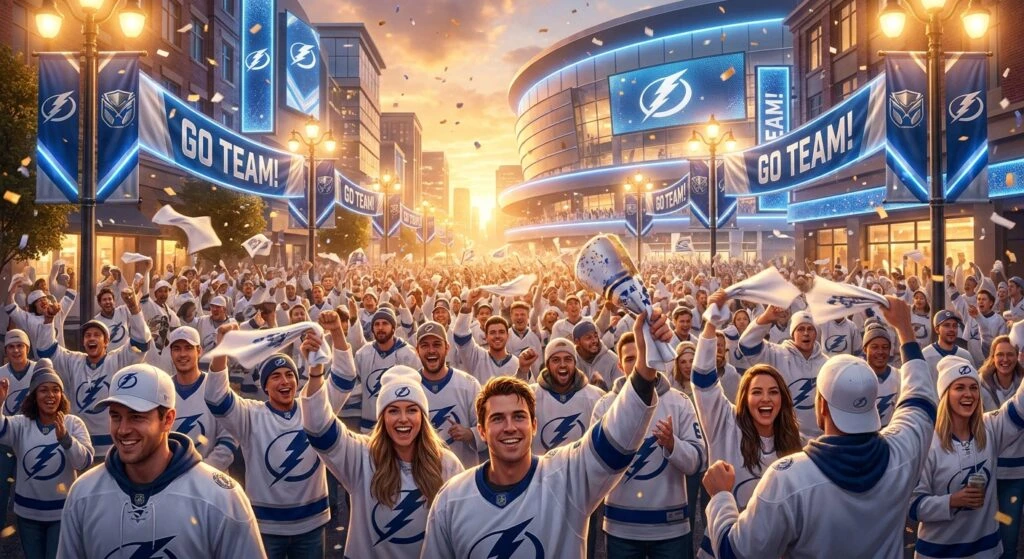
When you hear about a kendrick lamar toronto event, you already know the city is about to shut down completely. Look, I have been to dozens of shows across Europe, from massive electronic festivals in Kyiv to underground hip-hop sets in Berlin, but the sheer electricity when this Compton legend steps foot in the 6ix is completely unmatched. You feel that heavy bass reverberate right through the concrete, shaking the very foundations of the downtown core. My buddy flew all the way from Lviv to Ontario just to catch one historic pop-out show, and he swears the ground was literally shaking near the Scotiabank Arena. The fusion of West Coast lyricism colliding with the cold, moody atmosphere of Canada’s biggest metropolis creates a cultural phenomenon that transcends regular concert tours.
You do not just attend a show; you witness a masterclass in raw storytelling and dynamic stage presence. The thesis here is simple: understanding the dynamic between this lyrical genius and the Canadian hip-hop capital gives you a front-row seat to the most intense, culturally rich music narrative of our generation. We are going to unpack exactly why this specific geographical overlap causes such massive ripples through the global music industry, and how you can navigate the resulting hype. Even now in 2026, the aftershocks of his legendary performances continue to shape how international artists plan their North American legs. It is wild to witness firsthand.
Why The Compton and Canadian Connection Hits Different
Let me break down exactly what happens when the Pulitzer Prize winner brings his massive production north of the border. The dynamic is fascinating because it contrasts deeply rooted Californian street narratives with a city famous for its polished, atmospheric soundscapes. The cultural value proposition here is massive. For example, you get a localized audience that studies lyrics like gospel, creating an interactive crowd dynamic that artists rarely experience elsewhere. Another example is the sheer economic injection into the local hospitality and nightlife sectors when the tour rolls into town. It revitalizes the entire downtown core for a week straight.
If you are planning to experience this phenomenon, there are three absolute necessities you need to nail down early:
- Secure your accommodations months in advance, specifically looking at spots along the Yonge-University subway line for rapid transit directly to the venue.
- Map out the official and unofficial afterparties, usually clustered around the Entertainment District, where surprise appearances are practically guaranteed.
- Prepare your merch budget, because the pop-up shops exclusive to the Canadian dates always feature limited-edition collaborations with local streetwear designers.
Here is a breakdown of the typical demographic and impact metrics when this tour hits the city:
| Metric Category | Average Tour Impact | Local Reaction |
|---|---|---|
| Venue Capacity | 20,000+ sold out in minutes | Massive waitlists and digital queues |
| Economic Boost | Millions generated over 48 hours | Local businesses thrive on concert weekend |
| Social Media Mentions | Trending #1 nationwide | Viral clips flooding every timeline globally |
When you mix these elements, the result is a massive cultural explosion. The city adopts the West Coast sound, blending it with local beats and creating an atmosphere that resonates deeply with fans globally. It is an absolute must-see spectacle that defines live music excellence and sets the standard for international touring artists.
The Historical Blueprint of the Tour
Origins of the Northern Link
The history between the Compton rapper and this massive Canadian hub did not just start yesterday. Going back to his early mixtape days, before the massive stadium tours, he was already building a cult following in local university radio stations across Ontario. He recognized early on that the city possessed a highly sophisticated hip-hop palate. They did not just want standard club bangers; they wanted the intricate, multi-layered poetry he was laying down on the mic. Those early, intimate club shows laid the bedrock for a fiercely loyal fanbase that has only grown exponentially over the last decade.
Evolution of the Stage Production
As the albums grew more conceptual, so did the live performances. We went from a lone DJ setup with a microphone to full-blown theatrical productions featuring massive LED screens, live backing bands, and intricate choreography. Each time he returned to the Canadian stage, the production value doubled. The evolution reflects his status moving from an underground lyricist to a global icon. By the time the massive arena tours hit, the entire venue was transformed into a cinematic universe, complete with suspended cages, hydraulic stages, and pyrotechnics that perfectly matched the intensity of the tracklist.
The Modern State in 2026
Fast forward to today, and the landscape has shifted once again. The modern state of his performances in 2026 is less about proving his lyrical dominance—that is already an established fact—and more about curating an immersive, avant-garde art installation. The shows now heavily feature spatial audio tech and interactive visual elements that respond directly to crowd noise. It is no longer just a standard concert; it is a full-sensory experience that cements his legacy as the most innovative performer in the genre, turning every Canadian stop into a historic milestone. The local scene has completely embraced this evolution, treating these tour dates as unofficial civic holidays where the entire metropolitan area pulses to the exact same heavy basslines.
The Anatomy of a Perfect Live Show
Acoustic Engineering in Massive Arenas
You might think a concert is just plugging in a microphone and turning up the volume, but the reality behind the scenes is deeply technical. The Scotiabank Arena, like many massive indoor venues, acts as a giant concrete echo chamber. Sound engineers use a complex concept called acoustic treatment and delay bridging. Because sound travels slower than light, fans in the nosebleeds hear the heavy bass a fraction of a second after they see the performer jump. To fix this latency, technical crews install delay towers—secondary speaker systems strategically placed and digitally delayed so the sound hits every seat at the exact same millisecond. This ensures the complex, syncopated rhythms of his tracks do not turn into a muddy sonic mess.
Streaming Algorithms and Setlist Data
The second technical pillar holding up these massive shows is localized data analytics. Setlists are no longer guessed; they are scientifically calculated. The tour management pulls localized streaming data from major platforms to see exactly which deep cuts are over-performing in specific postal codes. If a particular neighborhood is heavily streaming an obscure B-side, the algorithm flags it, and the musical director weaves it into the live set exclusively for that specific city. This hyper-personalization keeps the crowd engaged at maximum capacity.
Here are some concrete scientific facts about modern concert logistics:
- Decibel limits: Sound engineers must maintain output between 100-115 dB to maximize the visceral impact without causing permanent auditory damage to the packed crowd.
- Thermal dynamics: An arena filled with 20,000 jumping bodies generates massive amounts of heat, requiring industrial HVAC systems to dynamically adjust in real-time to prevent the building from sweating.
- Low-frequency oscillation (LFO): Heavy sub-bass uses LFOs below 60Hz, which humans feel in their chest cavities rather than hear with their ears, triggering a physical adrenaline response.
- Lighting synchronization: Time-coded LED rigs sync strictly via SMPTE timecode protocols, ensuring every strobe flashes at the exact millisecond a snare drum hits.
Your 7-Day Game Plan for the Ultimate Concert Week
If you want to experience the kendrick lamar toronto hype properly, you cannot just show up on the night of the event. You need a highly structured approach. Here is your ultimate seven-day itinerary to maximize the trip and absorb the culture.
Day 1: Arrival and Reconnaissance
Touch down at the airport and immediately head downtown to establish your basecamp. Use this first day to walk the perimeter of the venue, figure out the VIP gate entrances, and locate the closest independent coffee shops to fuel up for pre-show energy.
Day 2: Explore Local Streetwear
Spend your afternoon cruising Queen Street West. The local fashion scene deeply influences global hip-hop culture. Grab some exclusive local gear so you are not just wearing standard mall clothes to the biggest cultural event of the entire year.
Day 3: The Pop-Up Shop Hunt
Exclusive tour merch pop-ups always happen a couple of days before the main event. Wake up early, monitor social media for the secret location drop, and get in line. The limited-run vinyls and exclusive heavy-weight hoodies sell out in hours.
Day 4: Culinary Carbo-Loading
A general admission pit ticket requires serious physical stamina. Spend day four eating at the iconic food spots around Kensington Market. You need proper fuel to survive four hours of intense crowd surfing and moshing.
Day 5: The Pre-Party Circuit
The night before the concert, the city’s club scene goes into overdrive. Hit up the Entertainment District. Local DJs will be spinning strictly West Coast classics and rare regional cuts to set the exact right mood for the weekend.
Day 6: The Main Event
Concert day has arrived. Hydrate aggressively all morning. Arrive at least three hours early if you have floor tickets to secure a spot at the front barricade. Turn your phone brightness down, save your battery, and prepare for a completely life-altering performance.
Day 7: Recovery and Reflection
Your ears are ringing and your voice is completely gone. Grab a massive, quiet brunch at a spot in Yorkville, scroll through your blurry videos, and start planning your next trip. You survived the madness.
Debunking the Tour Myths
There is so much noise and misinformation surrounding these massive stadium shows. Let us clear the air and separate fact from fiction right now.
Myth: You can easily buy tickets at the box office on the day of the show if you arrive early enough.
Reality: Absolutely impossible. These events sell out during the digital presale phase months in advance. Reputable secondary markets are your only option if you miss the initial online drop.
Myth: The sound quality is terrible if you aren’t located squarely on the floor section.
Reality: Modern arena sound engineering uses highly precise delay towers. The audio mix in the lower bowl is often cleaner and better balanced than right up against the rumbling subwoofers.
Myth: Pop-up shops restock their merchandise every single day of the tour stop.
Reality: Once a limited-edition collaboration piece is gone, it is gone forever. You must be physically in line on the first morning of the pop-up if you want the rarest items.
Frequently Asked Questions
What is the best way to travel to the arena?
The subway system is your absolute best friend. Take the TTC directly to Union Station; it connects straight to the venue without requiring you to step outside into the cold.
How long does the actual performance last?
Expect a tight, extremely high-energy set lasting exactly 90 to 110 minutes, packed with zero filler and back-to-back anthems.
Are bags allowed inside the venue?
Only tiny, clear clutches are permitted. Leave the bulky backpacks at your hotel or you will be strictly denied entry at the security gates.
Will there be surprise guest performers?
It is highly likely. The Canadian hip-hop community is famously tight-knit, and unannounced superstar cameos happen frequently during these major tour stops.
Is VIP parking actually worth the cost?
No. The massive gridlock post-concert will keep you trapped in the underground garage for an hour. Walk a few blocks away and catch a ride-share.
Can I bring professional cameras?
Unless you have official credentials and a media pass, detachable lenses are strictly prohibited. Stick to capturing moments with your smartphone.
What time do doors actually open?
Doors usually open 90 minutes before the opening act hits the stage, but always check the official venue app for real-time updates and schedule shifts.
Final Thoughts on the Vibe
Experiencing a massive hip-hop show in this specific city genuinely changes your perspective on live music. It is an unbeatable collision of sheer lyrical genius and intense northern energy that you simply cannot replicate anywhere else on the planet. The atmosphere, the sound engineering, and the dedicated crowd make it a legendary event. If you have never made the trip to witness this crossover, you need to stop hesitating immediately. Book your flights, secure those premium tickets, and completely immerse yourself in the culture right now! Do not miss out on history.