

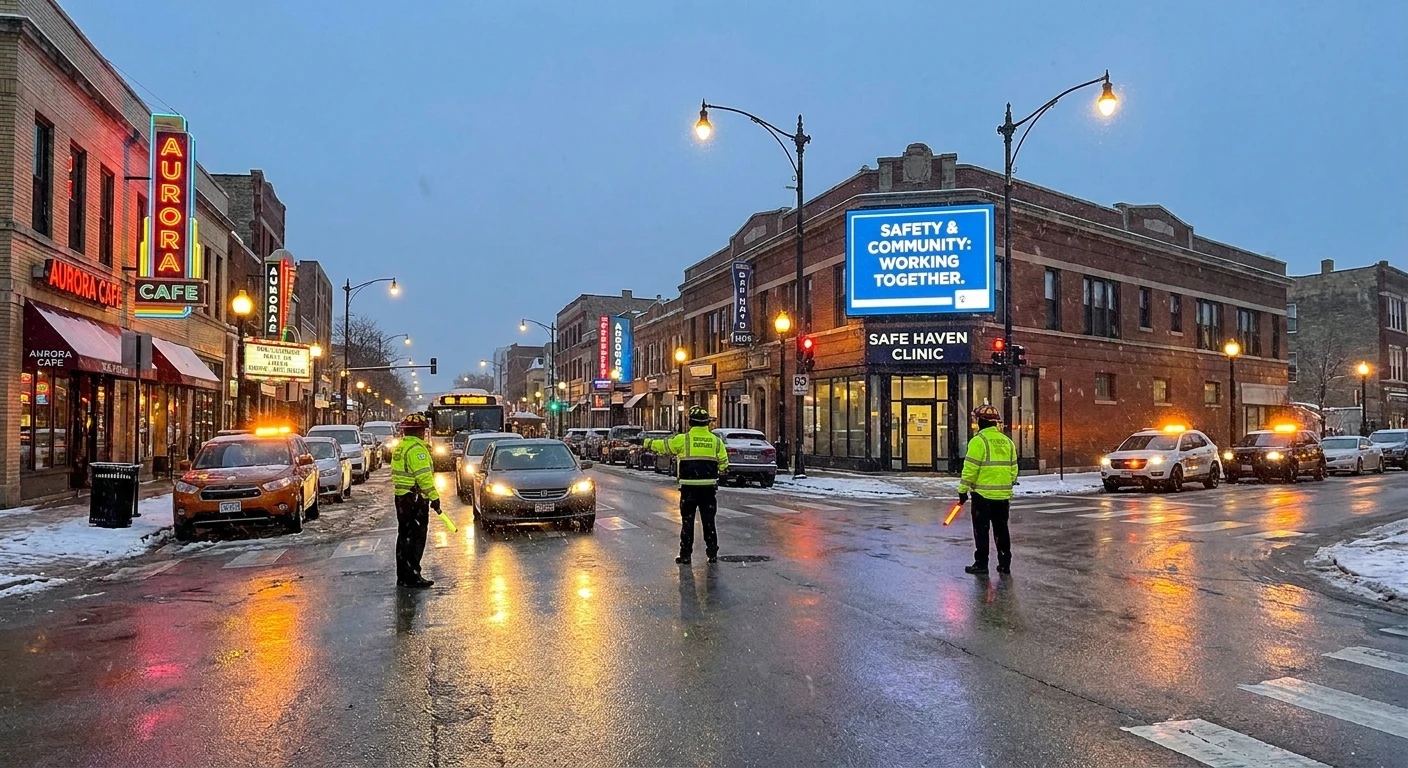
Navigating the Aftermath of a calgary accident Together
Getting into a calgary accident is something absolutely nobody plans for, yet it completely flips your day upside down the moment it happens. Look, we all think we are the best drivers on the road until the unexpected completely blindsides us. I still remember when I first moved from Ukraine to Alberta; I honestly thought navigating the legendary chaotic intersections of Kyiv had prepared me for absolutely anything the roads could throw at me. But the sheer volume of high-speed traffic on Deerfoot Trail, especially when the notorious winter black ice sets in, is a completely different beast to tame.
Just last month, a close friend of mine got caught up in a nasty fender bender right near Glenmore. Seeing his utter confusion and panic standing on the side of the freezing highway made me realize how completely unprepared most of us are for these stressful situations. We just freeze up. Knowing the exact procedural steps to take immediately following a collision can quite literally save you thousands of dollars, prevent massive insurance headaches, and ensure your physical health isn’t compromised long-term. My goal here is to talk to you directly, friend-to-friend, and give you the absolute best blueprint for handling this mess. You need a solid, actionable plan that cuts through the noise and panic, ensuring you know exactly what to do before the tow trucks even arrive.
Handling a collision properly means stepping out of the panic zone and into the logic zone. Preparation is your best friend. Let me walk you through the specifics so you never have to guess your next move while standing on the side of a busy, freezing road.
Core Strategies to Protect Yourself After a Collision
When the metal crunches and the airbags deploy, your brain goes into immediate survival mode. The value of having a strict protocol cannot be overstated. Doing the right things right away brings massive benefits: your insurance claim gets processed faster, you avoid being unfairly blamed, and you get your vehicle back on the road sooner. Failing to act logically causes immense harm. You could face skyrocketing premiums or entirely denied claims.
Consider two very real examples. In the first scenario, a driver gets rear-ended, verbally agrees with the other driver that it was “just a scrape,” and drives off without taking any photos. Two days later, the other driver claims a hit-and-run, and suddenly our first driver is facing a massive legal nightmare. In the second scenario, a driver gets hit, immediately snaps pictures of the vehicles, the license plates, and grabs the phone number of a pedestrian who saw the whole thing. The insurance claim is settled favorably in under a week. Documentation completely shifts the balance of power in your favor.
Here is your essential numbered checklist for the immediate aftermath:
- Secure the immediate area: Turn on your hazard lights, grab your emergency kit, and if the vehicles are drivable and blocking traffic, move them safely to the shoulder.
- Assess for physical injuries: Check yourself and your passengers first. Adrenaline hides pain, so be incredibly thorough. Call emergency services immediately if anyone is hurt.
- Document every single detail: Take photos from multiple angles, get the other driver’s insurance slips, driver’s license details, and the contact info of anyone who witnessed the event.
To give you a clearer picture of how different situations demand different responses, check out this quick reference table:
| Collision Type | Immediate Priority | Long-Term Action |
|---|---|---|
| Minor Fender Bender | Move cars to the shoulder, swap detailed insurance info. | Visit a local collision reporting center within 24 hours. |
| High-Speed Highway Crash | Stay securely inside the vehicle if traffic is dangerous, call 911. | Follow up strictly with medical professionals and a lawyer. |
| Parking Lot Scrape | Leave a highly detailed note if the other vehicle owner is utterly absent. | Contact your insurance agent to weigh the out-of-pocket costs versus filing a claim. |
Understanding these distinct scenarios ensures you never overreact or underreact. You maintain complete control over the narrative.
The Origins of Calgary Road Infrastructure
To truly understand why the roads operate the way they do today, we have to look back at how the local traffic grid was originally mapped out. Decades ago, the city was primarily a sprawling prairie town. Early roads were designed merely to connect small agricultural hubs to the growing downtown core. There were virtually no massive multi-lane highways. As the oil boom brought an unprecedented population surge, the city planners had to scramble. They slapped down major arteries like Macleod Trail and eventually Deerfoot, originally engineering them for a fraction of the daily commuters they handle right now.
The Evolution of Traffic Protocols
Back in the day, if you bumped into someone on a dirt road, you probably just shook hands, maybe traded a few bucks, and went on your way. But as the population exploded, the sheer volume of vehicles necessitated strict, standardized rules. The introduction of standardized insurance mandates entirely changed the landscape. Suddenly, police reports were required, and fault determination became a formalized legal process. We shifted from a “sort it out amongst yourselves” mentality to a highly regulated system designed to handle thousands of daily incidents efficiently.
The Modern State of Highway Safety
Now that we are deep into the year 2026, the technology monitoring our intersections is staggering. We have smart traffic lights, AI-driven traffic flow analysis, and collision reporting centers completely taking the burden off front-line police officers for minor scrapes. The infrastructure is trying its hardest to keep up with the severe winter weather and the immense daily commuter loads. However, even with all these technological advancements, human error and black ice remain the primary catalysts for fender benders. We have incredible tools at our disposal, but the basic physics of winter driving haven’t changed a bit.
The Physics Behind Winter Collisions
Let’s talk about exactly what happens scientifically when things go sideways on the road. When the warm Chinook winds roll in and melt the snow, only to freeze rapidly as the sun drops, it creates notorious black ice. The coefficient of friction drops to near absolute zero. Your tires, no matter how expensive or heavily treaded, physically cannot grip the asphalt. When you hit the brakes, the kinetic energy of your multi-ton vehicle simply has nowhere to go. You become a massive, unguided missile. The momentum transfer during an impact is governed purely by mass and velocity, meaning even low-speed bumps carry massive amounts of force.
Biomechanics of Whiplash and Impact
When your vehicle is struck, your body experiences a violent transfer of kinetic energy. The seatbelt stops your torso, but your head continues to move forward and then violently snaps backward. This rapid oscillation drastically stretches the ligaments and muscles in your neck far beyond their normal physiological range. It is pure biomechanics. The adrenaline dump from your endocrine system instantly floods your brain with cortisol and epinephrine, effectively blocking the pain receptors temporarily.
- Kinetic Energy Transfer: A 40km/h impact generates forces capable of bending a steel frame, yet your soft tissues absorb a massive percentage of that shock.
- Endocrine Response: The sudden spike in adrenaline completely masks soft tissue damage for up to 48 hours post-impact.
- Tire Friction Drop: At -20 degrees Celsius, standard all-season tires lose up to 60 percent of their gripping capability compared to dedicated winter rubber.
- Reaction Time Delays: The average human requires a full 1.5 seconds to perceive a threat and physically hit the brake pedal, traveling dozens of meters in the process.
Step 1: Immediate Safety and Reporting (Day 1)
The very first twenty-four hours are hyper-critical. Ensure everyone is safe, get your vehicle off the active roadway if possible, and swap information. If the combined damage genuinely appears to exceed a couple of thousand dollars, you must head straight to the nearest police station or official collision reporting center. Do not delay this. Write down every single detail while it is fresh in your mind. Trust me, memory fades incredibly fast when you sleep.
Step 2: Medical Assessment Checkup (Day 2)
Even if you feel completely fine and think you just got rattled, go see a doctor or a physiotherapist. Remember the adrenaline dump we talked about? It is wearing off right about now. Getting a professional medical assessment securely documents your physical state immediately following the event. This piece of paper is absolute gold if you need to claim medical expenses down the line.
Step 3: Informing Your Insurance Provider (Day 3)
Pick up the phone and call your insurance broker. Be strictly factual. Tell them exactly where it happened, who was involved, and what the police report number is. Stick to the absolute facts and do not guess or estimate speeds. Let the adjusters do their jobs based on the hard evidence you provide them.
Step 4: Gathering External Evidence (Day 4)
If you have a dashcam, pull the SD card immediately and back up the files to your computer and the cloud. If the incident happened near a commercial building, you can actually walk in and politely ask the manager if their exterior security cameras caught the event. You would be surprised how often people are willing to help if you simply ask politely.
Step 5: Consulting Legal Advice (Day 5)
If the situation is messy, the other driver is lying, or you are experiencing severe physical pain, it is time to consult a professional injury lawyer. Many offer free initial consultations. They can tell you straight up if you have a valid case or if you should just let the insurance companies battle it out. Protect your future finances.
Step 6: Monitoring Physical Symptoms (Day 6)
Keep a daily journal. Note down if you are experiencing headaches, stiffness in your lower back, or sudden anxiety when getting behind the wheel again. Mental trauma is just as real as physical trauma. Documenting your daily pain levels helps medical professionals adjust your treatment plan effectively.
Step 7: Finalizing the Collision Report (Day 7)
By the end of the week, you should have your police report filed, your insurance claim open, and your medical baseline established. Follow up with the auto body shop to get a firm timeline on your vehicle repairs. Take a deep breath; the hardest part is completely over, and now you just ride out the procedural wave.
Shattering Common Misconceptions
People spread a lot of terrible advice when it comes to traffic incidents. Let’s clear the air completely.
Myth: The police will absolutely always show up if you call them after a bump.
Reality: Unless there are severe injuries, criminal behavior like impaired driving, or a totally blocked major highway, the police will tell you to go directly to a reporting center. They simply do not have the manpower for minor scratches.
Myth: You will instantly know if you are seriously hurt.
Reality: As we discussed earlier, adrenaline is a powerful painkiller. Minor tears in your neck ligaments might not start agonizingly throbbing until three days later. Never declare yourself “completely uninjured” at the scene.
Myth: Saying “I am so sorry” is just being polite and has no legal consequence.
Reality: Insurance adjusters and opposing legal teams can heavily twist an apology as a direct admission of guilt and liability. Ask if the person is okay, but never apologize for the event itself.
Frequently Asked Questions
Do I absolutely need to file a formal police report?
Yes, if the combined total damage to both vehicles exceeds the provincial threshold, which is typically $2,000, or if anyone is injured, it is legally mandatory to file a report.
What exactly should I do if the other driver flees the scene?
Do not chase them under any circumstances. Pull over safely, call 911 immediately, and write down absolutely everything you can remember about their car, especially the license plate, color, and make.
Will my monthly insurance rates automatically skyrocket?
Not necessarily. If you are deemed completely zero percent at fault by the adjusters, your premiums typically remain perfectly stable. Fault determination rules govern this strictly.
Should I move my smashed vehicle off the busy road?
If the vehicle is fully drivable, there are no serious injuries, and you are creating a massive traffic hazard, yes, move it to the nearest shoulder safely.
How long do I legally have to file my report?
You should ideally report it to the center within 24 hours. Waiting longer can complicate your insurance claims and raise massive suspicions about the validity of your damage.
Are my personal dashcam videos considered legal evidence?
Absolutely. High-quality dashcam footage is the absolute best unbiased witness you can possibly have and is heavily relied upon by both police and insurance adjusters.
Can I personally choose my own vehicle repair shop?
Yes, you have the absolute legal right to choose where your car is repaired. Insurance companies will strongly recommend their “preferred” shops, but the final choice is always yours.
Dealing with the chaos of the roads is never fun, but having a concrete, logical plan completely strips away the anxiety. From securing the scene to handling the insurance adjusters, you now have the exact blueprint to protect yourself and your family. Bookmark this guide just in case, share it with your new teenage drivers, and stay safe out there on the ice!








One Response