

The Untamed Appeal of Fortress Mountain Resort
Tucked away in the breathtakingly rugged Kananaskis Country of Alberta, Fortress Mountain Resort represents one of the most intriguing and unique alpine destinations in North America. Unlike the highly commercialized and densely populated ski areas that dominate the broader Canadian Rockies, this specific location offers an incredibly raw, untouched, and authentic wilderness experience. You will find no massive lift lines, no overcrowded lodges, and no heavily groomed runs stripped of their natural character. Instead, the area delivers an exclusive gateway to pristine powder, dramatic cinematic landscapes, and a profound sense of isolation that backcountry enthusiasts actively seek out. The sheer volume of snowfall here, combined with the towering limestone peaks, creates an environment that feels entirely separated from ordinary life. Understanding the allure of this terrain requires looking past standard resort amenities and appreciating the pure, unfiltered essence of mountain exploration. Whether you are an avid powder hound tracking down the ultimate descent or a film buff curious about the backdrop of major Hollywood blockbusters, the landscape provides a compelling narrative of nature’s formidable power. This guide details the geographical, historical, and practical elements that define this remarkable location, equipping you with everything you need to know about navigating its slopes.
Core Benefits and Backcountry Operations
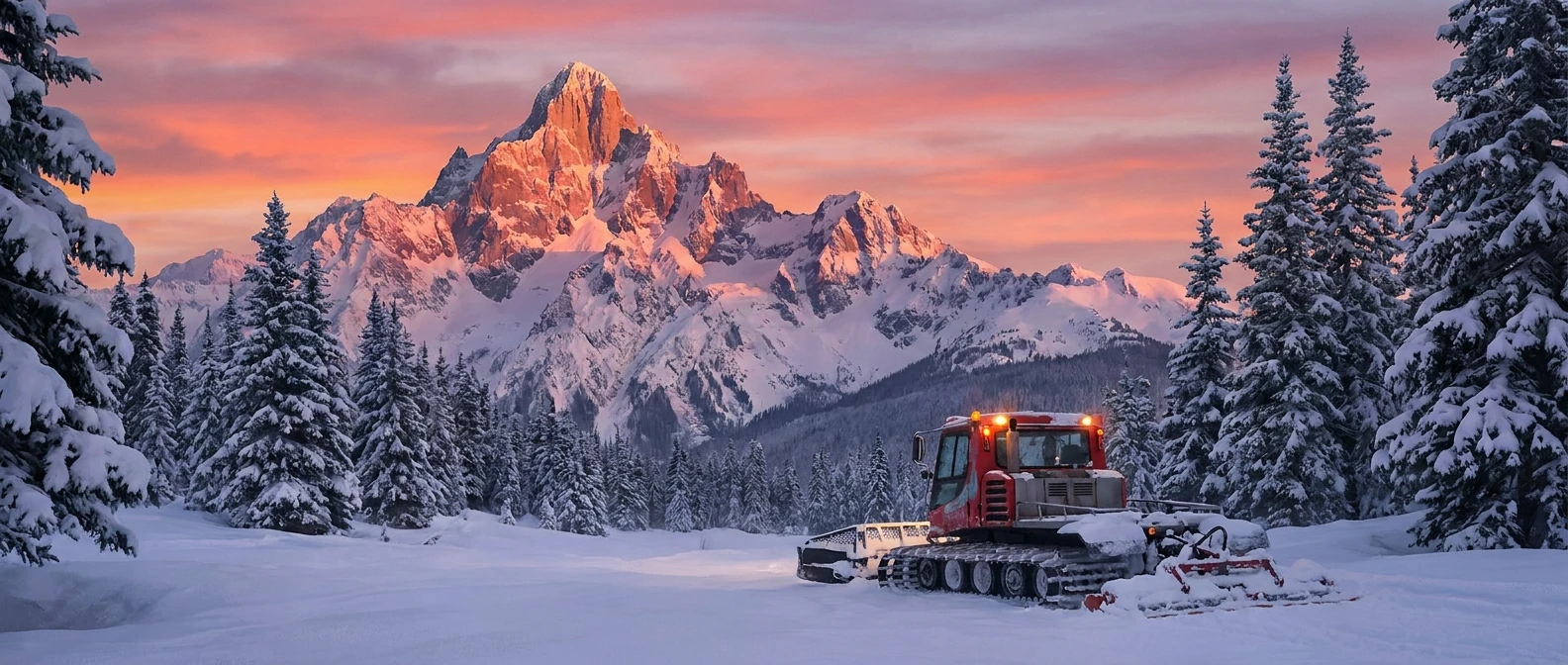
Operating entirely outside the traditional chairlift model, the terrain at this location relies heavily on specialized tracked vehicles to transport guests to the summit. This cat-skiing approach fundamentally changes how you interact with the mountain. Rather than racing hundreds of other skiers to track out the fresh snow by ten in the morning, a small, dedicated group of riders gets exclusive access to vast bowls, glades, and steep chutes. The mechanical reliability of the snowcats ensures steady vertical gain while preserving your energy for the descent. Furthermore, the absence of widespread infrastructure minimizes the environmental footprint, allowing the local flora and fauna to thrive undisturbed alongside the winter operations. You are effectively sharing the wilderness with the natural inhabitants of the region, emphasizing a respectful approach to outdoor recreation. The unique value proposition of this area becomes evident when comparing the raw statistics and operational styles to mainstream alternatives.
Read also: Robin Hood Bay Dump: Complete Waste Management Guide; Understanding Snow Pack BC Data & Environmental Trends.
| Feature Category | Fortress Mountain Resort | Typical Commercial Ski Area |
|---|---|---|
| Access and Uplift | Guided snowcat transport (KPOW) | High-speed quad chairlifts and gondolas |
| Snow Quality | 100% natural, untouched backcountry powder | Heavily groomed, artificially supplemented snow |
| Crowd Density | Extremely low (capped daily guest limits) | High volume, frequent lift line queues |
| Overall Atmosphere | Wild, cinematic, and profoundly isolated | Bustling, resort-focused, and highly developed |
To fully grasp what makes this destination superior for certain types of riders, consider the following primary advantages:
- Unrivaled Snow Preservation: Because the daily visitor count is restricted to a single snowcat group, the powder remains remarkably fresh for days, or even weeks, after a major storm cycle hits the Kananaskis Valley.
- Cinematic Pedigree: You get to carve turns through the exact same dramatic mountain valleys that served as the visual backdrop for Academy Award-winning films, adding a surreal layer of Hollywood history to your descent.
- Exclusive Terrain Access: With thousands of acres available and only a handful of people on the mountain, every single run offers the opportunity to lay down fresh, untracked lines without the stress of competing against a massive crowd.
The Early Origins and Golden Era
The story of this location begins in the late 1960s, a period marked by rapid expansion in the North American ski industry. Initially opened to cater to the growing population of Calgary and the surrounding foothill communities, the mountain quickly established itself as a beloved local favorite. Generations of Albertans learned to link their first turns on these slopes. Throughout the 1970s and 1980s, the area boasted a vibrant, community-focused atmosphere, distinct from the international tourism hubs developing further west. It was characterized by its challenging fall lines, abundant natural snowfall, and an unpretentious, welcoming lodge environment. Families would load up their station wagons every weekend to experience the reliable powder that Kananaskis Country consistently delivered.
The Operational Pause and Evolution
Despite its localized popularity, shifting economic landscapes and the need for massive infrastructure upgrades presented insurmountable challenges. By the early 2000s, the aging lift system and complex leasing arrangements forced a complete suspension of public chairlift operations in 2004. For several years, the lifts stood silent, and the pristine slopes returned entirely to nature. However, this closure inadvertently paved the way for an extraordinary evolution. Rather than fading into obscurity, the mountain’s dramatic, infrastructure-free vistas caught the attention of location scouts. The site seamlessly transitioned into one of the most sought-after alpine filming locations globally, hosting massive productions that required guaranteed snow and spectacular, unobstructed sightlines.
The Modern State of the Mountain
Today, the area operates under a highly successful hybrid model. On one hand, it continues to serve as a premier outdoor studio for the film and television industry. On the other hand, the establishment of KPOW (Kananaskis Powder) cat-skiing has reopened the legendary terrain to the public in a controlled, sustainable manner. This boutique operation utilizes modified snowcats to ferry eager powder seekers up the slopes, delivering an elite backcountry experience. While discussions regarding the potential future redevelopment of traditional chairlifts periodically surface, the current iteration prioritizes low-impact, high-reward wilderness access, securing its reputation as a crown jewel for advanced riders seeking authenticity over amenities.
The Meteorological Mechanics of Kananaskis Powder
Understanding the exceptional snow quality here requires a brief foray into meteorology and topography. The geographic positioning of Kananaskis Country plays a crucial role in moisture depletion. As Pacific storm systems travel eastward across the massive expanse of the Columbia Mountains and the continental divide, they undergo significant orographic lifting. By the time these weather systems reach this specific eastern slope of the Canadian Rockies, the vast majority of their heavy moisture has already been squeezed out. What falls on the local peaks is an incredibly dry, low-density snow crystal, often referred to as “champagne powder.” The high base elevation, sitting at roughly 2,000 meters above sea level, further guarantees that precipitation falls strictly as snow, keeping temperatures consistently cold enough to prevent the rapid degradation and crusting that plagues lower-altitude coastal resorts.
Avalanche Mitigation and Alpine Safety
Operating a backcountry snowcat business requires an entirely different approach to hazard management compared to standard in-bounds ski areas. Without the constant compaction of snow provided by thousands of skiers, the snowpack retains its natural, wild state, making it highly susceptible to avalanche activity. Professional guides and forecasters meticulously analyze the snowpack daily, employing rigorous scientific methodologies to ensure guest safety.
- Snow Water Equivalent (SWE): Forecasters constantly measure the SWE to determine the exact weight and density of new snowfall, which heavily influences the stress placed on buried weak layers.
- Faceted Crystal Formation: Cold, clear nights typical of the region can cause temperature gradients within the snowpack, forming dangerous, sugar-like faceted crystals that act as a sliding surface for slab avalanches.
- Explosive Control: When critical instability is detected, highly trained patrollers utilize explosive charges to trigger controlled releases, safely clearing the slide paths before any snowcat transports guests to the summit.
- Isothermal Degradation: As spring approaches, the scientific focus shifts to monitoring the isothermal state of the snow, ensuring that rapid warming does not compromise the structural integrity of the entire snowpack.
Day 1: Arrival and Gear Calibration
Embarking on a full week of backcountry exploration requires meticulous preparation. Your first day is dedicated to arriving in the Kananaskis Valley and dialing in your equipment. Because the snow here is exceptionally deep and dry, traditional narrow carving skis will sink instantly. You must calibrate your setup by renting or bringing wide, rockered powder skis or a specialized freeride snowboard. Spend the afternoon familiarizing yourself with your backcountry safety gear, ensuring your transceiver has fresh batteries and your probe and shovel are easily accessible in your pack.
Day 2: Avalanche Safety Briefing and Beacon Training
Before ever stepping foot in the snowcat, every participant must undergo rigorous safety training. Day two is spent with professional mountain guides conducting companion rescue drills. You will learn the exact search patterns required to locate a buried avalanche transceiver. The guides will explain how to efficiently assemble your probe, perform strike tests, and execute strategic shoveling techniques. This vital educational component ensures that every member of the group is an active, capable participant in their own safety.
Day 3: First Tracks and Cat-Skiing Familiarization
The third day marks your introduction to the cat-skiing operation. You will load into the heated cabin of the tracked vehicle and slowly ascend the rugged service roads. The focus today is on orientation. The guides will lead the group down moderate, widely spaced glades, allowing everyone to find their “powder legs.” Skiing deep, untracked snow requires a distinctly different physical technique than hardpack riding, utilizing a rhythmic, bouncing motion to maintain flotation. The day concludes with a debriefing and a hearty meal to replenish burned calories.
Day 4: Exploring the Cinematic Backbowls
With confidence established, day four pushes into the expansive alpine bowls. This is where the sheer scale of the landscape truly reveals itself. You will drop into massive, sweeping faces that offer uninterrupted lines for hundreds of vertical meters. The guides will point out specific topographical features that served as filming locations for major Hollywood productions, allowing you to literally ski through a movie set. The high alpine environment demands respect, as the weather can change rapidly, but the reward is an unparalleled sense of freedom and visual splendor.
Day 5: Rest and Active Recovery in Kananaskis
Deep powder skiing places immense strain on the quadriceps, hamstrings, and core muscles. Day five is a necessary scheduled rest period. Instead of pushing your physical limits, you can explore the lower Kananaskis Valley. Engage in light active recovery by snowshoeing along the tranquil valley floor or visiting the nearby Nordic spa facilities for hydrotherapy. Proper hydration and stretching are critical today to flush out lactic acid and prepare your body for the final, most demanding leg of the itinerary.
Day 6: Pushing the Limits on Steeper Terrain
Fully recovered, you return to the snowcat for the most aggressive day of the trip. The guides, having assessed the group’s strong capabilities, will navigate toward the steeper chutes and densely wooded fall lines. Navigating these complex environments requires sharp mental focus, rapid decision-making, and precise physical execution. The snowcat acts as a mobile basecamp, providing warmth and fuel between these high-intensity descents. This day represents the pinnacle of backcountry riding, challenging your skills while delivering the most rewarding powder slashes of the week.
Day 7: The Final Descent and Departure
The final day focuses on savoring the remaining untracked stashes. You will revisit favorite zones from earlier in the week or explore a newly opened sector of the mountain. As the snowcat makes its final pickup of the day, take a moment to absorb the profound silence of the high alpine. Packing your gear and beginning the drive back down the Kananaskis Trail, you leave with an intense appreciation for this specialized form of winter recreation and the pristine environment that makes it possible.
Myth: The Area is Completely Abandoned
Reality: While the traditional chairlifts have not run for the general public since 2004, the property is far from abandoned. It operates a highly sophisticated, fully booked cat-skiing enterprise known as KPOW and maintains the necessary infrastructure to support massive film crews year-round.
Myth: You Must Be a Professional Athlete to Ski Here
Reality: Although backcountry powder requires a solid foundation of fitness and riding ability, you do not need to be an extreme sports professional. Advanced-intermediate skiers equipped with modern, wide powder skis can comfortably navigate the guided terrain under the supervision of the expert staff.
Myth: Traditional Chairlifts Will Never Return
Reality: There are active, ongoing discussions and preliminary redevelopment plans aimed at eventually returning lift-serviced skiing to the property. While the primary focus remains on the exclusive cat-skiing experience, the long-term vision for the leaseholders still includes potential eco-friendly chairlift installations.
Where exactly is Fortress Mountain Resort located?
It is situated in the Kananaskis Valley of Alberta, Canada, approximately a 90-minute drive southwest of Calgary, deep within the front ranges of the Canadian Rocky Mountains.
Can I drive directly to the base area?
Yes, but access is heavily restricted. The access road is unpaved, steep, and requires four-wheel drive and proper winter tires. Generally, only registered guests for cat-skiing or permitted film crews are allowed past the lower gates.
What major movies were filmed at this location?
The dramatic terrain has served as a filming location for several massive Hollywood blockbusters, including Inception, The Revenant, The Bourne Legacy, and Jumanji: The Next Level.
Is KPOW cat-skiing operational all season?
Operations typically run from late December through early April, entirely dependent on natural snowfall and the stability of the high alpine snowpack as assessed by the guiding team.
Do I need special avalanche gear to ski there?
Absolutely. Every single guest is required to wear an avalanche transceiver and carry a backpack containing a collapsible probe and a metal snow shovel. The operators provide comprehensive training on how to use them before you ever load into the snowcat.
Are snowboarders welcome on the cat-ski trips?
Yes, snowboarders are fully welcome and make up a large portion of the clientele. A powder-specific, directional snowboard or a splitboard in ride-mode is highly recommended to maintain speed and flotation in the deep, flat runouts.
What makes the snow here different from coastal resorts?
Because the weather systems lose most of their moisture crossing the interior mountain ranges, the snow that finally falls in Kananaskis is incredibly dry and low-density, creating the highly sought-after “blower powder” effect that practically floats around you as you ski.
Final Thoughts on the Alpine Experience
Stepping into the rugged environment of Fortress Mountain Resort offers a rare glimpse into the pure, uncommercialized soul of winter sports. It strips away the superficial layers of modern ski culture, leaving only you, a dedicated group of peers, and an endless expanse of flawless white terrain. Whether you are driven by the thrill of carving through waist-deep champagne powder or the desire to stand precisely where cinematic history was captured, this destination delivers an unforgettable experience. Stop settling for crowded lift lines and tracked-out slopes; book your cat-skiing adventure today and elevate your relationship with the mountains to an entirely new level.