

Building the Ultimate Chai Bar Experience
Setting up a dedicated chai bar turns a simple daily routine into a deeply rewarding sensory ritual. You know that exact moment when the rich scent of toasted cardamom and simmering ginger fills the air, instantly making any space feel like home? That is exactly the atmosphere we are building. A dedicated beverage station brings intention to your brewing process, organizing all your essential tools and fresh ingredients into one functional, beautiful area. Whether you are designing a cozy morning corner in your kitchen, setting up an impressive beverage station for a wedding reception, or launching a specialized café concept, having a purpose-built space changes everything about how you prepare and enjoy this traditional spiced tea. We are going to walk through every single element required to design, stock, and operate a flawless brewing space. By structuring your setup properly, you eliminate the frantic morning search for loose leaf tea and mortar, ensuring that every cup is crafted with precision, consistency, and genuine care.
The Core Benefits of a Dedicated Brewing Station
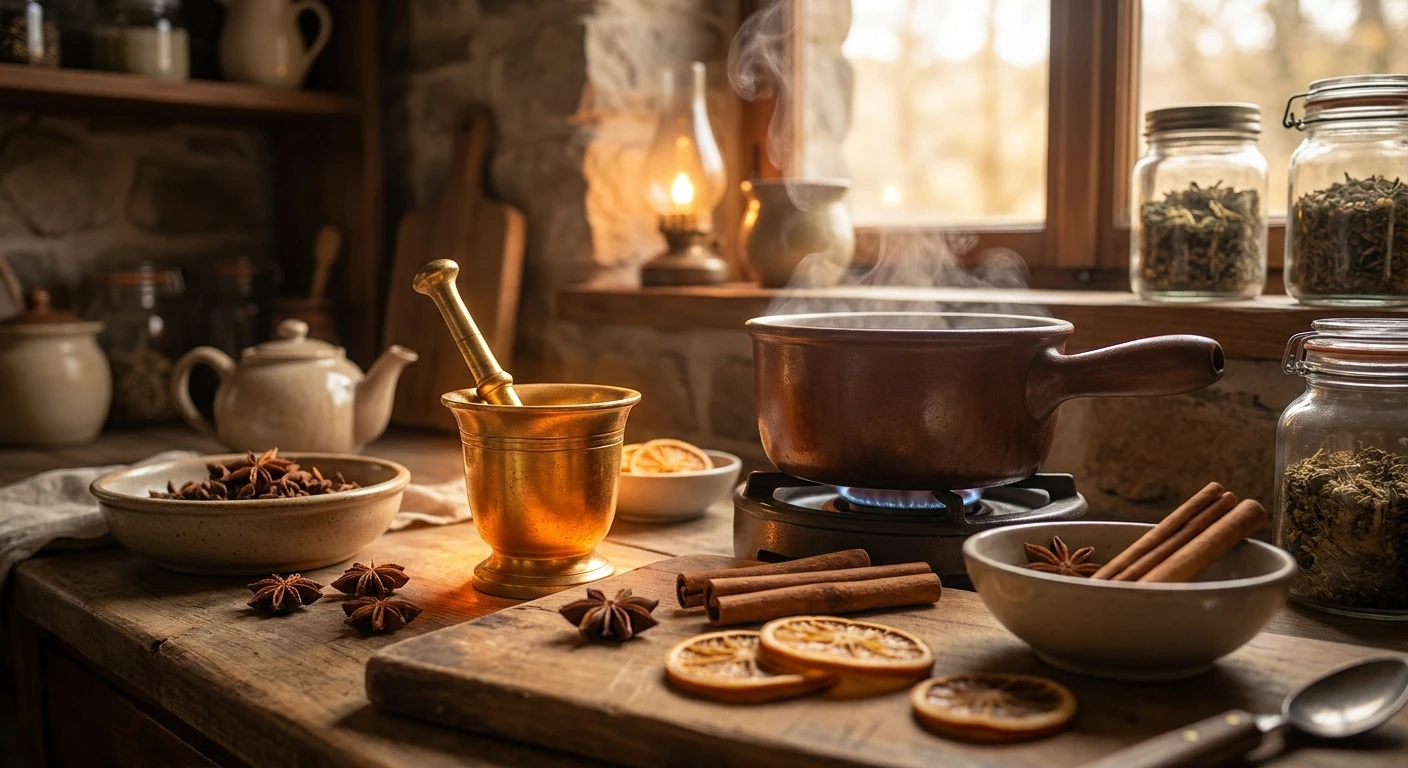
Why dedicate permanent counter space to a chai bar? The answer lies in workflow efficiency and flavor consistency. When you consolidate your robust black teas, whole spices, sweeteners, and strainers into one designated zone, the entire brewing process becomes seamless. You move from boiling water to crushing spices without taking a single unnecessary step. This focused environment also encourages experimentation. When your ingredients are beautifully displayed and easily accessible, you are far more likely to try a new ratio of star anise to clove, rather than settling for a mediocre pre-mixed powder. Let us look at two popular configurations. First, the minimalist home setup: a small wooden tray holding a brass mortar, three glass jars of essential spices, and a dedicated saucepan resting near the stove. Second, the commercial or event station: a sprawling, interactive display featuring multiple milk alternatives, tiered spice racks, and induction burners capable of serving hundreds of guests. Both share the same underlying value proposition: making the craft accessible and visually stunning.
Read also: Ultimate Guide to Cherry Blossom Chocolate; Why Melona Bars Are the Ultimate Korean Frozen Treat.
Understanding the essential components is crucial before you start buying supplies. Here is a breakdown of the core elements you need to source.
| Component Category | Primary Function | Top Recommendations |
|---|---|---|
| Base Tea | Provides the astringent backbone and caffeine | CTC Assam, Orthodox Ceylon, Rooibos (for decaf) |
| Whole Spices | Delivers complex aromatic flavor profiles | Green Cardamom, Fresh Ginger, Ceylon Cinnamon, Cloves |
| Liquids | Creates the creamy texture and extracts compounds | Filtered Water, Whole Dairy Milk, Oat Milk, Macadamia Milk |
| Sweeteners | Balances the sharp spices and bitter tea tannins | Jaggery, Raw Cane Sugar, Maple Syrup, Wild Honey |
To optimize your physical layout, follow these sequential steps for organizing your space:
- Position your primary workspace directly adjacent to your heat source to prevent carrying boiling liquids across the room.
- Establish a dedicated spice processing zone featuring a heavy mortar and pestle that will not slide on the countertop during use.
- Organize your raw materials in airtight, transparent glass containers to monitor inventory levels and protect volatile oils from degrading.
- Designate a specific resting area for wet strainers and stirring spoons to keep your countertops pristine during the chaotic boiling phase.
The Origins of Masala Chai
To truly appreciate the station you are building, we need to trace the roots of this incredible beverage. The concept of boiling therapeutic spices in water stems from ancient Ayurvedic medicine in India, dating back thousands of years. This restorative decoction, known as kadha, utilized ingredients like ginger and black pepper to stimulate digestion and warmth. It was strictly medicinal and contained no tea leaves whatsoever. The beverage was deeply personal, with recipes varying dramatically from household to household based on the specific physical ailments being treated at the time.
The Evolution of Tea Stalls
The modern flavor profile we recognize today was born from a collision of cultures. When the British East India Company began aggressively cultivating black tea in the Assam region to break the Chinese monopoly, they encouraged local Indian consumption. Vendors responded by adding these newly available, inexpensive black tea leaves, along with milk and sugar, to their traditional spicy kadhas to keep costs down while boosting flavor. This gave rise to the iconic tapri, or street-side tea stall, operated by a chai wallah. These stalls became the original community hubs, featuring massive bubbling pots, rapid pouring techniques, and an unmistakable aroma that defined city streets.
The Modern State of the Chai Bar
Lately, this rich street culture has migrated indoors, evolving into the sophisticated setups we see globally. The modern chai bar takes the efficiency and bold flavors of the tapri and elevates the presentation. High-end cafes and passionate home brewers now dedicate massive attention to the provenance of their spices and the aesthetic display of their ingredients. The focus has shifted from mere caffeination to artisanal craft, where guests can select custom spice blends and watch the dramatic boiling process happen right in front of them.
The Chemistry of Spices and Heat
Brewing authentic spiced tea is not an infusion; it is a rapid decoction. When you build your station, you must plan for aggressive heat. You are extracting flavor from hard, woody materials like cinnamon bark, dried cloves, and fibrous ginger roots. Steeping these in hot water will yield almost nothing. They must be actively boiled. Heat provides the kinetic energy required to break down plant cell walls and release volatile compounds like gingerol from ginger and eugenol from cloves. You are chemically forcing these dense spices to surrender their aromatic oils into the water base before the delicate tea leaves are even introduced to the pot.
Emulsification and Milk Frothing
The role of milk in your setup goes far beyond simply cooling the beverage down. Milk contains fat, and those essential oils we just extracted from the spices are lipophilic, meaning they bind aggressively to fat molecules. When you introduce milk to the boiling spice water, you are creating an emulsion that traps the aromatic compounds, ensuring they coat your palate rather than evaporating into the air. Furthermore, as the milk simmers, lactose sugars and casein proteins interact in the Maillard reaction. This chemical process generates new, complex caramel notes that perfectly round out the sharp bite of the black pepper and ginger.
- Black pepper contains piperine, an alkaloid that requires sustained heat to release its signature pungency.
- CTC (Crush, Tear, Curl) Assam tea is processed specifically to release maximum tannins rapidly, ensuring the tea flavor cuts through rich milk.
- Boiling milk alters its whey proteins, resulting in a smoother, thicker mouthfeel compared to cold milk added after the fact.
- Aeration, achieved by pouring the hot liquid back and forth between vessels, cools the drink slightly while creating a velvety micro-foam on the surface.
Day 1: Assessing Space and Equipment Requirements
Your first step is evaluating your physical footprint. You do not need a massive kitchen island, but you do need proximity to a reliable heat source. Measure the counter space next to your stove. If you are building a mobile cart or commercial pop-up, you will need a high-wattage induction burner. Ensure the surface can handle accidental spills of brightly colored, turmeric-infused liquids without staining permanently.
Day 2: Sourcing Authentic Tea Bases
Skip the delicate floral teas. For a proper chai bar, you need robust, malty black tea. Procure a high-quality loose leaf Assam, preferably in the CTC format. These small, granular pellets are designed to brew incredibly strong and dark, providing the necessary astringency to balance the heavy dairy and intense spices. Stock up on a decaffeinated alternative like pure rooibos for late-night brewing sessions.
Day 3: Selecting Fresh Whole Spices
This is where your station comes to life. Do not buy pre-ground powders. Purchase whole green cardamom pods, thick quills of Ceylon cinnamon, whole star anise, black peppercorns, and whole cloves. Dedicate a specific, heavy brass or stone mortar and pestle to your station. Crushing whole spices immediately before boiling ensures you capture all the volatile oils before they can oxidize and fade away.
Day 4: Curating Dairy and Plant-Based Milks
Your liquid base dictates the final texture of the beverage. Standard whole cow’s milk is the traditional standard, offering the perfect fat ratio for flavor binding. If you are stocking plant-based alternatives for your station, prioritize oat milk or macadamia milk. These options contain enough fat and protein to withstand active boiling without splitting or curdling in the presence of acidic tea tannins.
Day 5: Acquiring the Proper Brewing Vessels
You cannot brew properly in a standard frying pan. Invest in a dedicated patila or a deep, long-handled stainless steel saucepan. The high walls are mandatory to contain the rolling boil as the milk expands and rises rapidly. Additionally, purchase a very fine double-mesh metal strainer to catch the tiny CTC tea particles and crushed spice fragments before they reach the serving cup.
Day 6: Designing the Visual Layout and Storage
Aesthetics matter immensely. Transfer all your dry ingredients from their original commercial packaging into matching glass apothecary jars. Label them clearly. Arrange your jars in a tiered formation so everything is visible at a glance. Place your mortar and pestle front and center, acting as the visual anchor of the space. Keep your strainers and spoons in a tall ceramic holder.
Day 7: The Inaugural Brew and Taste Testing
Fire up the station. Boil your water, crush your cardamom and ginger, and let the decoction roll. Add your tea, pour in the milk, and watch for that signature caramel-colored foam to rise. Taste the final product critically. Is it too sharp? Reduce the pepper next time. Not creamy enough? Increase the milk ratio. Dial in your personal house recipe and write it down.
Myths & Reality
Myth: You need expensive, commercial-grade espresso machines equipped with steam wands to create a proper spiced milk tea.
Reality: Traditional, authentic preparation relies entirely on stovetop boiling in a simple metal pan, which actually produces a far superior, deeply integrated flavor profile than steaming.
Myth: You must heavily sweeten the beverage with massive amounts of processed white sugar or vanilla syrups.
Reality: A high-quality spice blend provides so much natural aromatic complexity that sweetness becomes purely optional. You can easily enjoy it completely unsweetened.
Myth: Pre-ground spice blends from the supermarket baking aisle are perfectly adequate for stocking your station.
Reality: Ground spices lose their potent volatile oils rapidly when exposed to air. Crushing whole spices on demand delivers a radically more intense and vibrant experience.
What is the best tea for a chai bar?
CTC (Crush, Tear, Curl) Assam black tea is universally recommended. Its granular structure extracts quickly and powerfully, ensuring the tea flavor is not overwhelmed by the rich milk and heavy spices.
How long do whole spices last?
When stored in airtight glass containers away from direct sunlight, whole uncrushed spices retain their optimal flavor and aroma for approximately six to eight months before gradually mellowing out.
Can I serve iced chai?
Absolutely. To prevent a watered-down beverage, brew the liquid at double strength. Once fully strained, let it cool slightly before pouring it over a large glass completely filled with dense ice cubes.
Do I need a milk frother?
No mechanical frother is necessary. You achieve the traditional velvety texture by repeatedly pouring the hot, strained liquid back and forth between two metal pitchers from a height, aerating it naturally.
What is a dirty chai?
This is a modern café variation where a single or double shot of highly concentrated espresso is poured directly into the finished spiced tea, combining two distinct caffeine profiles.
Are copper pots safe for brewing?
Solid copper pots offer incredible heat conductivity, but they must be lined with food-grade tin or stainless steel. Bare copper can react negatively with the slight acidity of the tea leaves over time.
How do I prevent milk from burning?
Vigilance and agitation are key. Once the milk is added to the saucepan, you must monitor the heat closely and stir continuously with a ladle, scraping the bottom of the pan to prevent proteins from scorching.
Building your own personal chai bar is one of the most rewarding culinary projects you can undertake. It transforms a rushed morning habit into a moment of genuine craftsmanship and mindfulness. By carefully selecting your equipment, prioritizing whole, fresh ingredients, and respecting the traditional boiling techniques, you guarantee a spectacular cup every single time. Clear off a section of your counter, order your brass mortar and premium Assam tea, and start constructing your perfect brewing sanctuary today.