

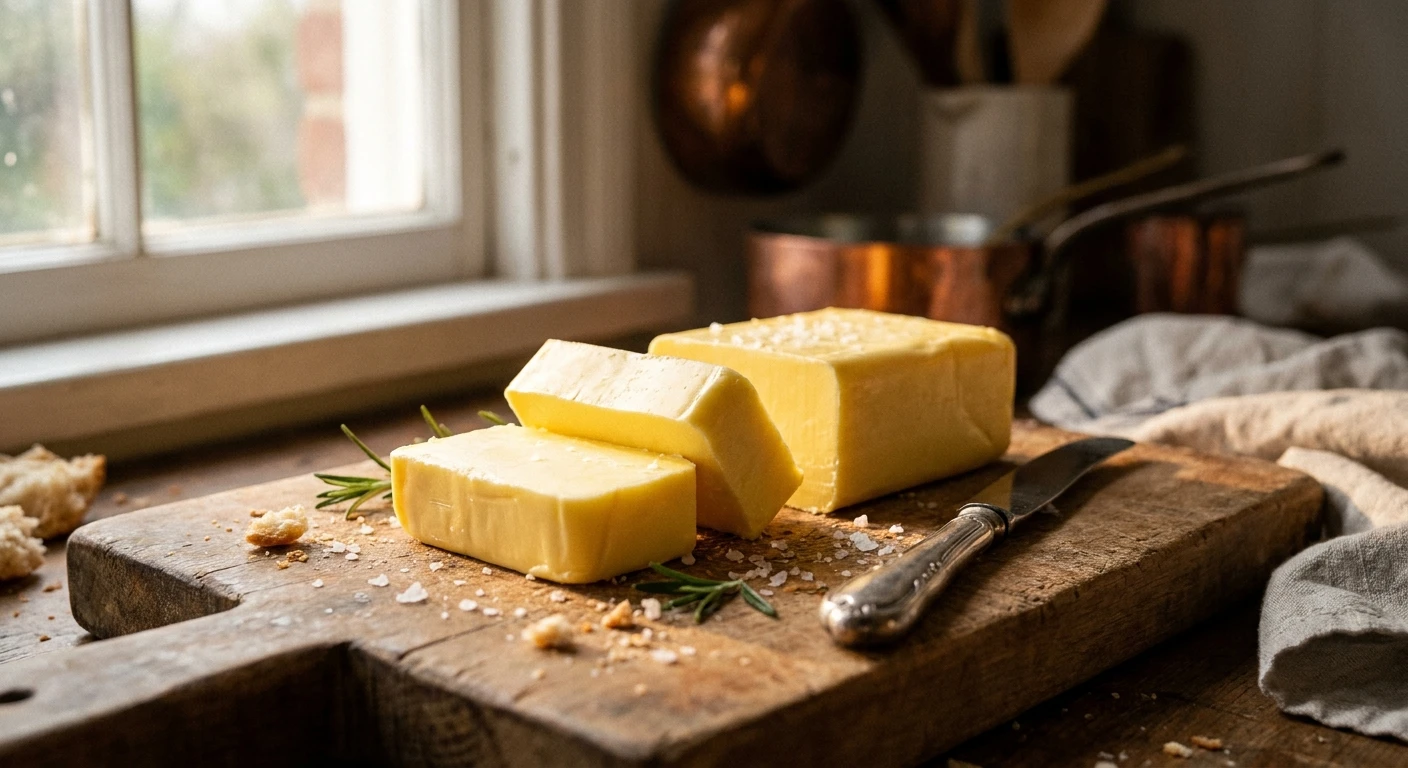
Finding the Best Butter in Canada: The Ultimate Culinary Guide
Locating the absolute best butter in Canada requires understanding strict national dairy farming standards, fat content variations, and regional churning techniques. Canadian dairy is governed by a robust supply management system ensuring no artificial growth hormones are used, meaning the baseline quality of milk is exceptionally high. When you walk into a grocery store or a local creamery, you are met with an array of choices wrapped in foil or parchment, ranging from standard sweet cream to rich, tangy cultured varieties. The fat percentage, the diet of the cows, and the precise churning methods all play a massive role in how the final product performs in a hot pan or baked into a flaky croissant. Navigating these options transforms a basic kitchen staple into an artisanal ingredient. Knowing exactly what to look for when evaluating dairy products allows home cooks and professional bakers alike to maximize flavor and texture. By identifying the specific characteristics that define top-tier dairy, you can elevate everything from a simple slice of morning toast to complex French pastries.
Why Fat Percentage Matters
The core distinction between average brands and premium options lies in the butterfat content. Standard grocery store options in North America typically sit at 80 percent butterfat, leaving 20 percent for water and milk solids. When you seek higher quality, you look for European-style blocks that boast 82 to 84 percent butterfat. This subtle shift significantly reduces the water content, which prevents excessive sputtering in a hot skillet and produces infinitely flakier layers in laminated doughs. High-fat options also deliver a richer, more luxurious mouthfeel. Many local creameries across the country have recognized this demand and now produce small-batch options specifically targeting this higher fat threshold.
Read also: Make the morning show recipes Quickly; Ultimate Guide to Cherry Blossom Chocolate.
| Brand / Type Category | Fat Content | Best Culinary Use |
|---|---|---|
| Standard Sweet Cream (Mass Market) | 80% | General cooking, everyday toast, basic baking |
| European-Style (e.g., Cows Creamery, Stirling) | 84% | Laminated pastries, croissants, finishing sauces |
| Cultured Artisanal Butter | 82-84% | Spreading on high-quality bread, compound butters |
Understanding these categories helps you allocate your grocery budget effectively. You do not necessarily need an 84 percent cultured block to grease a baking pan, but you absolutely want it when creating a delicate beurre blanc. Beyond fat, the inclusion of sea salt flakes versus finely milled salt changes the textural experience entirely. To choose the right product, follow a systematic approach.
- Verify the butterfat percentage on the nutritional label, aiming for 82 percent or higher for premium applications.
- Look for the ‘cultured’ designation if you prefer a deeper, slightly tangy flavor profile developed through fermentation.
- Assess the salt format; unsalted is mandatory for precision baking, while coarse sea salt varieties are optimal for finishing dishes.
Origins of Canadian Dairy
The foundation of the nation’s dairy industry traces back to early European settlers who brought cattle across the Atlantic. In the 17th and 18th centuries, dairy production was an intensely localized, farmstead operation. Families churned their own cream using wooden dash churns, relying on the natural ambient temperatures to sour the cream slightly before churning, which inadvertently created a primitive form of cultured butter. The quality varied wildly depending on the season, the cows’ forage, and the skill of the farmer.
Evolution of Churning
By the mid-19th century, the landscape shifted dramatically with the establishment of the first commercial cheese and butter factories in Ontario and Quebec. This era introduced cooperative farming models, where multiple local farmers pooled their milk. The industrial revolution brought mechanical separators and mechanized churns, standardizing the process. Instead of spontaneous fermentation, factories began utilizing pasteurization and controlled inoculation, leading to the sweet cream style that dominated the 20th century. This standardization made dairy products widely accessible and highly consistent, though some of the distinct, localized flavor profiles were lost in the pursuit of mass production.
Modern State of Butter Production
Today, the industry exists as a fascinating duality. On one side, massive dairy cooperatives operate under the national supply management system, producing vast quantities of consistent, 80-percent fat blocks that fill supermarket shelves. On the other side, an artisanal renaissance is thriving. Small-scale producers are returning to traditional methods, using batch churns, introducing bacterial cultures for complex flavor, and grass-feeding their herds to produce vibrant yellow, high-fat products. This modern revival means consumers now have access to historically inspired, premium options crafted with scientific precision.
The Chemistry of Emulsion
At its core, the product is a water-in-oil emulsion. When cream is agitated during the churning process, the delicate membranes surrounding the milk fat globules rupture. These exposed fat molecules clump together, separating from the liquid buttermilk. The resulting mass is washed and kneaded, forcing the water droplets to become infinitesimally small and evenly dispersed throughout the continuous fat phase. The physical state of this fat involves varying types of crystals, specifically beta prime crystals, which give the final product its smooth, spreadable texture. If the temperature during churning or storage fluctuates improperly, larger beta crystals form, resulting in a grainy or greasy mouthfeel.
- Milk fat is composed of over 400 different distinct fatty acids, making it one of the most complex natural fats on earth.
- The bright yellow color often seen in summer batches comes from beta-carotene naturally present in fresh pasture grass.
- Melting point variations occur because the triglycerides in the fat phase melt at different temperatures, creating a gradual softening rather than a sudden liquid state.
- Properly tempered blocks remain structurally sound for lamination because the water droplets turn to steam in the oven, creating lift while the fat solidifies the pastry layers.
Understanding Cultured Lactic Acid
Creating cultured varieties involves chemistry akin to cheese making. Before churning, live bacterial cultures (typically Lactococcus lactis) are introduced to the cream. As these bacteria consume the lactose, they produce lactic acid, which drops the pH and thickens the cream. More importantly, they generate diacetyl, an organic compound responsible for the intensely savory, buttery aroma that characterizes premium European-style blocks. This fermentation process requires precise temperature controls and timing to achieve the perfect balance of tang and richness without crossing into excessive sourness.
Day 1: Sweet Cream Unsalted Evaluation
Begin your culinary exploration by establishing a baseline. Purchase a standard unsalted block from a major national brand. Bring it to room temperature and taste it on a piece of neutral white bread. Pay attention to the texture, the melting point on your tongue, and the relatively mild, flat dairy flavor. This baseline helps you understand what you are comparing premium brands against. Using unsalted allows you to taste the actual dairy without salt masking any impurities or blandness.
Day 2: Cultured Unsalted Tasting
Acquire a cultured, unsalted block from a specialty grocer or local creamery. Repeat the tasting process. You should immediately notice a difference in the aroma. The diacetyl compounds will present a fuller, almost nutty smell. On the palate, the slight acidity from the fermentation provides a tangy finish that cuts through the richness. This exercise isolates the impact of bacterial cultures on the fat.
Day 3: Sea Salt Flake Butter
Switch to a premium salted option, specifically one that uses coarse sea salt rather than fine table salt. The mechanics of the salt dissolve differently on the tongue. The large flakes provide intermittent bursts of salinity and a slight crunch, which enhances the perception of richness. Spread this generously on a warm, crusty baguette to experience how the heat slightly melts the fat while leaving the salt crystals intact.
Day 4: High-Fat European Style
Source a block labeled at 84 percent butterfat. Focus on the textural difference. The lower water content makes it feel denser and more velvet-like. When melted over warm vegetables or a baked potato, you will notice it coats the food more tenaciously and possesses a deeper, more concentrated dairy flavor compared to the 80 percent baseline tested on day one.
Day 5: Compound Herb Butter Creation
Take half a block of your preferred unsalted high-fat butter, soften it completely, and fold in finely minced garlic, fresh parsley, thyme, and a pinch of salt. Roll it into a log using parchment paper and chill it until firm. Slice a round of this compound butter and place it over a resting steak or roasted chicken. The fat acts as a delivery system, carrying the fat-soluble flavor compounds from the herbs directly to your palate.
Day 6: Clarified Butter (Ghee) Process
Take your remaining standard sweet cream butter and slowly melt it in a saucepan over low heat. Skim the white foam (milk proteins) off the top and carefully pour the golden liquid fat into a jar, leaving the water and milk solids at the bottom of the pan. This clarified fat now has a vastly higher smoke point, making it perfect for high-heat searing without burning.
Day 7: The Lamination Baking Test
Conclude your plan by making a simple rough puff pastry or pie dough, splitting the recipe in two. Make one half with the day one standard butter, and the other half with the day four 84 percent fat block. The higher fat pastry will puff dramatically higher, yield flakier layers, and possess a richer flavor, proving unequivocally why fat percentage dictates baking success.
Myths vs. Reality
Myth: Margarine is a healthier, identical substitute for baking. Reality: Margarine is an artificial emulsion of vegetable oils. It lacks the complex fatty acids, the diacetyl flavor profile, and the specific melting properties of real dairy, leading to flat, flavorless baked goods. Myth: Canadian dairy is inferior to French imports because of the diet of the cows. Reality: While terroir affects flavor, many domestic creameries utilize grass-fed herds and identical bacterial cultures to produce 84 percent fat blocks that rival or exceed European imports in blind tastings. Myth: You must always store your supply in the refrigerator. Reality: A covered dish left at standard room temperature is perfectly safe for several days. The low moisture content and high fat create an inhospitable environment for rapid bacterial growth, keeping it safe and perfectly spreadable.
Can you freeze butter?
Yes, absolutely. It freezes exceptionally well due to its high fat content. Wrap it tightly in its original foil, then place it inside a heavy-duty freezer bag to prevent it from absorbing odors from other frozen foods. It can remain frozen for up to six months without any significant degradation in flavor or texture. Thaw it in the refrigerator overnight before use.
What is cultured butter?
Cultured simply means that live bacterial cultures were added to the cream before the churning process began. These bacteria ferment the cream, producing lactic acid and diacetyl. This results in a product with a distinctive tangy flavor, a richer aroma, and often a slightly longer shelf life due to the increased acidity.
Is 84 percent fat actually better?
For specific culinary applications, yes. The higher fat percentage means there is less water. Less water means less gluten development when mixed into flour, creating tender, flakier pastries. It also means less sputtering when searing meats in a pan. For simply spreading on toast, it offers a richer, more luxurious mouthfeel.
What does the Blue Cow logo mean?
The Blue Cow logo is a certification mark operated by the Dairy Farmers of Canada. When you see this logo on a package, it guarantees that the product is made from 100 percent Canadian milk, adhering to strict national standards regarding animal welfare, milk quality, and the absolute prohibition of artificial growth hormones.
How long does it last at room temperature?
When kept in a proper covered dish (a butter bell or a ceramic keeper) that protects it from light and air, salted varieties can safely sit on the counter for about one to two weeks at moderate room temperatures. Unsalted varieties spoil faster and should generally be kept refrigerated until a few hours before you need them.
Is salted butter good for baking?
Professional bakers generally avoid salted blocks because the salt content varies wildly between brands, making it impossible to control the exact sodium levels in a recipe. Additionally, salt acts as a preservative, meaning salted blocks might sit on store shelves longer than unsalted ones. Always bake with unsalted and add measured salt separately.
Why is some butter vibrantly yellow?
The yellow color comes from beta-carotene, a pigment found in fresh grass. Cows that graze on lush spring and summer pastures absorb this beta-carotene, which is then transferred into their milk fat. Winter batches, or products from cows fed primarily on dried grain and hay, will naturally appear much paler or even white.
Understanding the intricacies of dairy farming, fat percentages, and churning techniques empowers you to make informed decisions at the grocery store. Whether you are aiming to perfect your laminated doughs with a high-fat European-style block, or simply want to elevate your morning toast with a cultured, sea-salt-flecked artisanal spread, the right choice fundamentally changes the culinary experience. Stop settling for the standard 80 percent blocks for every application. Head to your local market, seek out high-quality Canadian creameries, and start treating this humble ingredient with the culinary respect it deserves.