
Why Visiting an Ostrich Farm BC Style is Unforgettable
Ever stood face-to-face with a massive bird that can outrun a horse and looks like a leftover dinosaur from the Jurassic era? Finding an ostrich farm bc style might just be the wildest weekend trip you haven’t taken yet. Honestly, when you think about heading out into British Columbia, your mind probably jumps straight to mountain biking, checking out the giant cedars, or trying to spot a grizzly bear. But there is a whole alternative agritourism scene happening right under our noses, and it involves some incredibly tall, feathered friends.
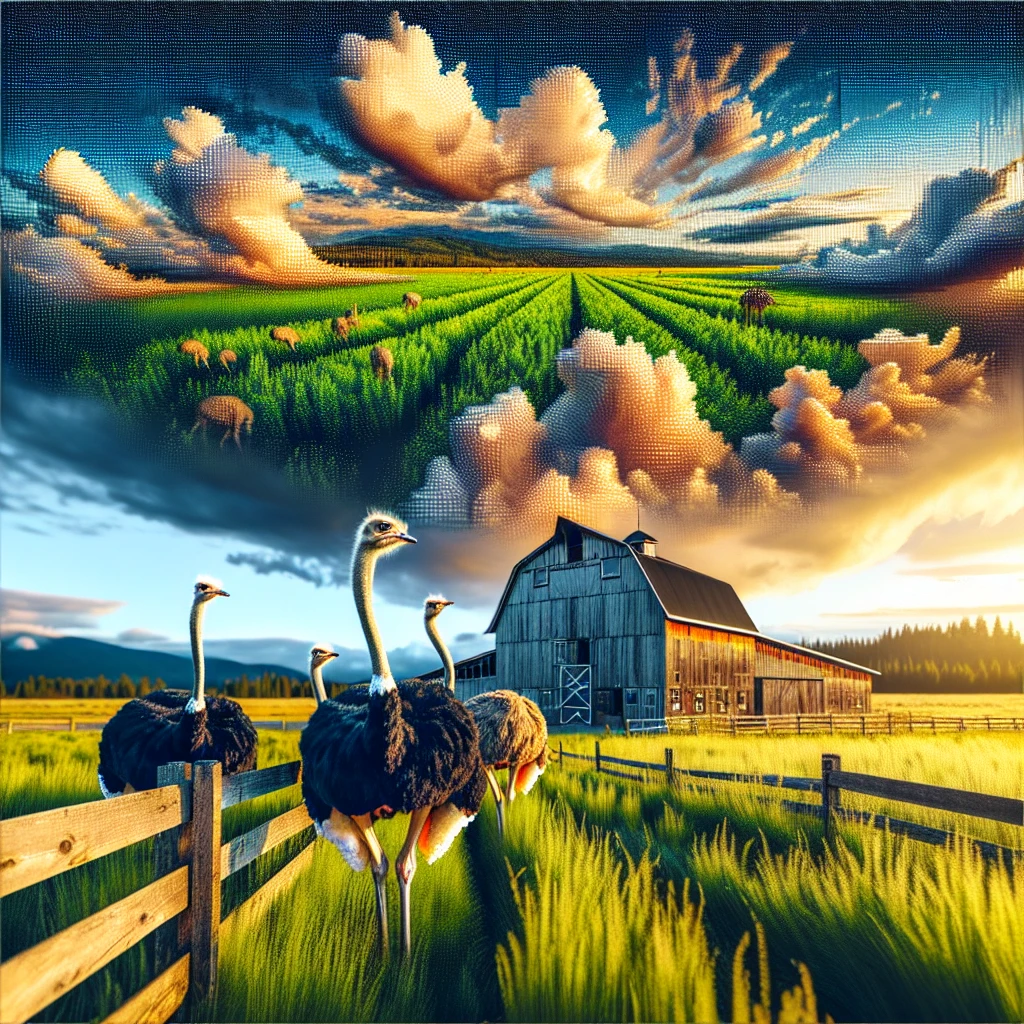
I remember taking a spontaneous road trip down Highway 1 toward the Fraser Valley recently. The scenery was doing its usual majestic thing, and then suddenly, peering over a high wooden fence near Chilliwack, were these incredibly long, curious necks with huge eyes staring right at the traffic. It was completely surreal. That specific local encounter sparked a massive fascination with how these African natives ended up thriving in the Canadian climate. You just do not expect to see a savanna bird chilling in the shadow of snow-capped mountains.
We are breaking down exactly what makes these massive birds so incredible, how they manage to survive and actually thrive in the Pacific Northwest weather, and why putting an ostrich farm on your summer itinerary completely changes the weekend game. You get the fresh air, the weirdly fun interactions, and a chance to support local agriculture all in one go. Trust me, it is the kind of experience you end up talking about for weeks.
The Core Appeal: Agritourism Meets Exotic Wildlife
So, why exactly are farmers raising these giant birds in British Columbia? It boils down to a mix of incredibly efficient agriculture, unique resources, and a booming agritourism market. People want experiences that break the mold of the standard petting zoo. When you pull up to an ostrich farm, you are not just looking at animals; you are seeing a masterclass in agricultural efficiency. These birds require radically less space and resources compared to traditional livestock, making them a fantastic option for forward-thinking farmers.
To give you a clearer picture, let us look at how they stack up against conventional farming options. The numbers might surprise you, especially when it comes to resource management.
| Metric | Ostrich | Beef Cattle | Chicken |
|---|---|---|---|
| Water Usage (per pound of meat) | Significantly Lower | Very High | Moderate |
| Space Required | Moderate (Open pens) | Extensive (Pastures) | Minimal (Coops) |
| Usable Yield | Meat, Leather, Feathers, Oil | Meat, Leather | Meat, Feathers |
The value proposition of visiting or supporting these farms is huge. First, the meat is entirely unique—it looks and cooks like premium red beef but has the fat and cholesterol profile of skinless chicken. You can eat a steak without the heavy guilt. Second, their leather is highly sought after; you will often see luxury boots and wallets made from the distinctive, bumpy hide that lasts for decades. It is premium, sustainable, and entirely unique.
If you need concrete reasons to pack up the car this weekend, here is the quick rundown:
- Hand-feeding the giants: Feeling a nine-foot-tall bird gently take food from your palm is exhilarating.
- Buying novelty-sized goods: Taking home an egg the size of a football that can feed an entire family breakfast.
- Supporting sustainable agriculture: Helping local farmers who are innovating with eco-friendly livestock alternatives.
Origins of Canadian Ratites
To understand how these birds got here, we have to look back at the origins of ratites—the family of flightless birds that includes emus, rheas, and our giant friends. Originally native to the open savannas and deserts of Africa, they evolved to withstand intense heat and travel massive distances. They are built for endurance. But the big question is, how did an African bird make its way to the damp, temperate rainforests and valleys of British Columbia? It started with a vision of diversifying agriculture. Farmers realized that if an animal can handle freezing desert nights in the Sahara, it can adapt to Canadian weather with just a bit of shelter.
The 1990s Boom and Bust
Things got crazy in the agricultural world back in the 1990s. There was a massive, speculative boom where breeding pairs of ostriches were selling for tens of thousands of dollars. People thought it was going to completely replace beef overnight. Investors who had never set foot on a farm were suddenly buying birds. But because the infrastructure for processing and marketing the meat wasn’t there yet, the bubble burst. A lot of people lost money, and many farms closed down. However, the dedicated farmers—the ones who truly understood the animals and the local market—stuck it out. They refined their methods and focused on steady, organic growth rather than getting rich quick.
Modern State of Farming
Fast forward to the year 2026, and the industry has completely stabilized into a niche, highly respected agricultural sector. The modern BC farm operates with a heavy emphasis on agritourism and direct-to-consumer sales. You won’t find wild speculative bubbles anymore; instead, you find passionate families running educational tours, offering high-end culinary products, and running sustainable operations. They have figured out exactly how to build specialized barns to keep the birds comfortable during the wet coast winters, proving that these incredible animals are here to stay.
Avian Anatomy and Cold Adaptation
Let us get a bit technical about how these animals function, because their biology is absolutely wild. Ostriches are bipedal marvels. They have a unique double-kneecap structure that allows them to run at sustained speeds without destroying their joints. When it comes to surviving a BC winter, their feather structure is key. Unlike flying birds whose feathers lock together to catch the air, ostrich feathers are loose and fluffy. They act like a premium down jacket. By fluffing up, they trap a thick layer of body heat. As long as they have a dry barn to escape the heavy rain and wind, they are completely fine walking around in the snow.
The Incubation Matrix
Breeding these birds requires serious scientific precision. The incubation process is nothing like tossing a chicken egg under a heat lamp. An ostrich egg needs about 42 days to hatch, and the environmental controls must be exact. Farmers use massive, computerized incubators that constantly monitor humidity and temperature. The eggs even need to be turned mechanically at specific intervals to mimic the parents rolling them in the dirt nest. If the humidity is off by just a few percentage points, the chick won’t develop properly. It is a highly technical dance of biology and technology.
- Top Speed: They can sprint up to 70 km/h, making them the fastest two-legged creature on earth.
- Immune System: They have an incredibly robust immune system, significantly reducing the need for agricultural antibiotics.
- Eye Size: Their eyes are the largest of any land animal, measuring about two inches across—even bigger than their brains!
- Digestion: They swallow pebbles and sand to act as grinding stones in their muscular gizzard, helping them digest tough plant matter.
Day 1: Fraser Valley Arrival
Start your agricultural adventure by driving out to the Fraser Valley. Book a cozy local bed and breakfast near Chilliwack or Langley. Spend the afternoon getting settled, grabbing a coffee at a local roaster, and enjoying the relaxed rural pace. The goal today is just to disconnect from the city hustle and prepare for an entirely different kind of weekend.
Day 2: The Guided Feeding Tour
This is the main event. Head over to the farm right when they open. You want to get on the first guided tour while the birds are active and hungry. Listen closely to the guide, grab your bucket of feed, and get your camera ready. Watching those massive beaks swoop down to snatch pellets from your hand is an absolute rush. Wear clothes you do not mind getting a bit dusty.
Day 3: Exploring Local Agritourism
Since you are already in the farming heartland, expand the trip. Check out the neighboring hazelnut orchards, local dairy farms, or honey apiaries. The farmers out here often collaborate, so the person running the bird tours can usually recommend the best spots for fresh local cheese or homemade jams. It turns a single stop into a full culinary journey.
Day 4: Tasting the Local Produce
It is time to fire up the grill or visit a farm-to-table restaurant. If you picked up some fresh ostrich steaks from the farm store, cook them today. The trick is to sear them quickly on high heat and serve them medium-rare. Because the meat has virtually no fat, overcooking it will make it tough. Pair it with a bold BC red wine for a perfect dinner.
Day 5: Photography and Bird Behavior
Head back to the farm or a nearby nature reserve specifically for observation. Now that the adrenaline of feeding them has worn off, just watch how the flock interacts. Notice the dominant males with their striking black and white feathers, and the elaborate mating dances if you are there in the right season. It is a photographer’s dream.
Day 6: Souvenir Shopping and Leather Goods
Hit the farm boutique before you start wrapping up the trip. Beyond just the meat, look at the handcrafted goods. Ostrich leather wallets, belts, and boots are incredible investments. You might also find feather dusters—which are famous in the automotive detailing industry because they carry a static charge that pulls dust right off surfaces.
Day 7: Heading Home with a Giant Egg
Before hitting the highway back home, grab the ultimate souvenir: an empty shell or a fresh, edible ostrich egg. A single egg equals about 24 chicken eggs. Invite your friends over for a massive Sunday scramble. It is the perfect, hilarious way to wrap up the adventure and share the experience with your crew back home.
Myths vs. Reality: Clearing the Air
Let us bust some nonsense that cartoons have taught us.
Myth: Ostriches bury their heads in the sand when they are scared.
Reality: Completely false. If they did that, they would suffocate. What they actually do is dig shallow holes for their nests. When they bend down to turn the eggs with their beaks, it looks from a distance like their head is buried.
Myth: They can’t handle Canadian winters at all.
Reality: They adapt remarkably well. As long as they have an unheated but draft-free barn to get out of the freezing rain, their thick down feathers keep them perfectly warm in the snow.
Myth: They are basically giant, friendly chickens you can pet.
Reality: Do not mistake them for pets. While farm-raised birds are accustomed to humans feeding them over a fence, they are still wild animals with a lethal forward kick that can seriously injure predators. Always follow the farmer’s safety guidelines.
Are reservations required?
Usually, yes. Especially during the summer months and on weekends, farms cap the number of visitors to keep the animals stress-free. Always check their website and book a slot in advance.
Can you ride them?
Absolutely not. While ostrich riding is an old tourist gimmick in some parts of the world, ethical farms in BC strictly prohibit it. It is terrible for the bird’s back and highly dangerous for the rider.
What do they eat?
On the farm, they eat a specially formulated pellet diet made of alfalfa, corn, and essential vitamins. In the wild, they are omnivores, snacking on everything from tough roots to locusts and even small lizards.
Is the meat actually healthy?
It is incredibly healthy. It is widely recommended by dietitians for people who want the iron and protein of red meat but need to keep their cholesterol and fat intake extremely low.
How big is the egg?
Massive. A single egg weighs between three to five pounds. The shell is so thick and strong that a grown adult can carefully stand on it without it cracking.
Are dogs allowed on site?
Almost never. Dogs look like predators to these birds. Bringing a dog onto the property can cause the flock to panic, run into fences, and injure themselves.
When is the best season to go?
Late spring through early autumn is the sweet spot. The weather is beautiful, the birds are very active, and you might even get lucky and see some newly hatched chicks running around the pens.
Do they bite?
They do not have teeth, so they can’t technically bite. However, they can give you a very strong pinch with their tough beaks. When feeding them, hold your hand completely flat to avoid getting nipped.
Final Thoughts
At the end of the day, stepping out of your comfort zone to visit an agricultural wonder like this is exactly what makes local travel so rewarding. You get to learn something totally unexpected, support hardworking local farming families, and get some amazing photos in the process. Stop scrolling through the same old boring weekend plans. Grab your friends, map out a route to the valley, and go experience the sheer size and personality of these incredible birds for yourself. Book your farm tour today and get ready for a completely unique adventure!