

Yet here we are.
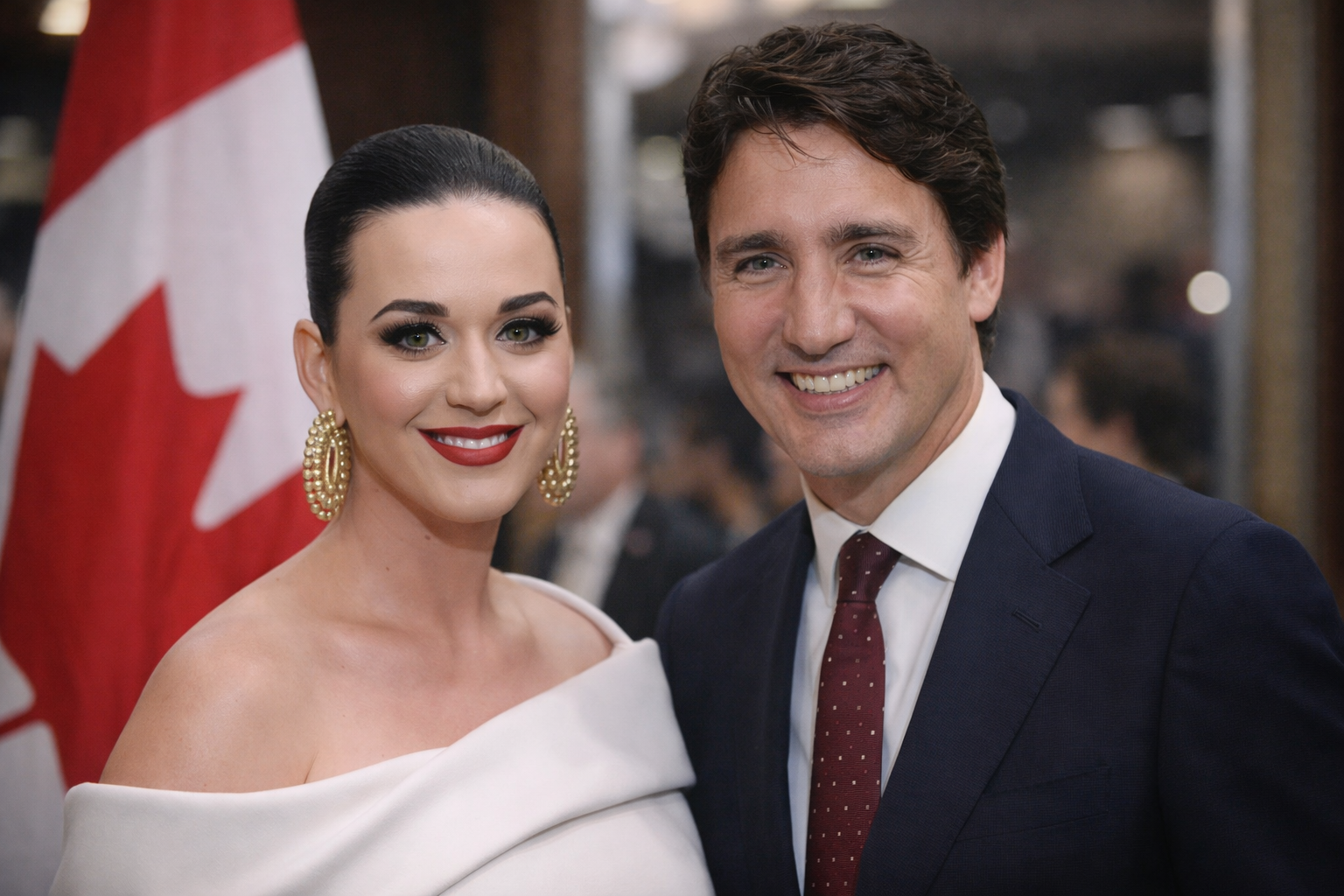
The names Katy Perry and Justin Trudeau started appearing together in conversations online, in entertainment columns, and across social media feeds. And Canadians did what Canadians usually do when something unusual pops up in the news cycle — they got curious.
Was it a moment? A joke? A cultural crossover between music and politics?
Let’s take a look at why this pairing caught attention and why Canadians seem to enjoy these small intersections between entertainment and public life.
Why Celebrity Moments Capture Public Attention
Pop culture thrives on surprise. When two worlds collide — entertainment and public leadership — people notice. It doesn’t always mean something dramatic happened. Sometimes it’s simply the novelty.
Katy Perry is one of the most recognizable pop stars of the past two decades. Her career includes chart-topping hits, colourful performances, and a global fan base.
Justin Trudeau, meanwhile, remains one of the most internationally recognizable Canadian political figures of the modern era.
So when those two names appear in the same conversation, it naturally raises eyebrows.
And curiosity spreads fast online.
| Figure | Why They’re Well Known |
|---|---|
| Katy Perry | International pop singer with global hits and large fan following |
| Justin Trudeau | Long-time Canadian prime minister known worldwide |
| Public reaction | Curiosity about unexpected celebrity interactions |
| Media attention | Stories blending entertainment and public figures |
And let’s be honest — people enjoy these moments. They break up the usual flow of serious headlines.
The Internet’s Favourite Game: Speculation
Once the internet notices something unusual, speculation begins.
It’s almost a ritual at this point.
Fans post reactions. Comment sections fill up. Memes appear. Within hours, the topic spreads across entertainment blogs, lifestyle pages, and social platforms.
But here’s the thing: much of that discussion is simply curiosity rather than confirmed facts.
And that’s part of the digital culture we live in today.
People enjoy talking about possibilities — even if the moment itself was small.
Canada’s Relationship With Celebrity Culture
Canada tends to approach celebrity culture a little differently than some other countries.
Canadians enjoy entertainment news, of course. But the tone is often more relaxed, sometimes even humorous.
When a pop star and a political figure appear in the same story, Canadians are likely to respond with a mix of curiosity and lighthearted commentary.
You’ll see reactions like:
- “Well, that wasn’t on my bingo card today.”
- “Only in Canada.”
- “The internet never sleeps.”
It’s less about drama and more about the novelty of the moment.
How Social Media Amplifies These Stories
A decade ago, moments like this might have passed quietly. Today they spread instantly.
Platforms like Instagram, TikTok, and X (formerly Twitter) turn brief interactions into global talking points.
One photo, one video clip, or even one rumour can travel across continents in minutes.
That speed changes how people experience celebrity culture.
Suddenly everyone feels like they’re part of the conversation.
| Platform | How Stories Spread |
|---|---|
| Photos and celebrity appearances gain attention quickly | |
| TikTok | Short clips and commentary spread viral discussions |
| X / Twitter | Rapid reactions and trending conversations |
| Entertainment media | Coverage expands once stories begin trending |
It’s a fast-moving ecosystem.
And sometimes the story becomes bigger than the original moment.
The Human Side of Public Figures
One reason these stories attract attention is simple: they humanize public figures.
People are used to seeing politicians in formal settings — speeches, conferences, international meetings.
But when those same figures appear in everyday cultural moments, it reminds the public that they’re people too.
Music, concerts, and entertainment are universal experiences.
Even global leaders listen to playlists or attend events like everyone else.
And that relatability often sparks interest.
Celebrity Culture in Canada’s Media Landscape
Canadian media outlets cover entertainment stories in a slightly different tone than hard political news.
Lifestyle sections focus more on cultural context — the intersection between music, public figures, and social trends.
These stories usually explore questions like:
- Why did the moment attract attention?
- How did people react online?
- What does it say about pop culture today?
In other words, the focus shifts from speculation to cultural curiosity.
The Entertainment Industry’s Global Influence
Katy Perry’s career highlights how global the entertainment industry has become.
Her concerts, albums, and performances reach audiences across continents. Pop stars today operate on a truly international stage.
That means moments involving well-known artists travel quickly beyond borders.
A conversation in Los Angeles can become a trending topic in Toronto within minutes.
Canada, with its strong digital audience and active social media culture, often joins these global discussions right away.
Why People Love Unexpected Pairings
There’s something inherently entertaining about unexpected combinations.
A pop icon and a political leader don’t usually share headlines, so when they do, people pay attention.
Psychologists actually have a simple explanation for this.
The human brain loves novelty.
When something unusual appears — two worlds intersecting — curiosity kicks in.
That curiosity fuels conversations.
And conversations fuel media coverage.
Canadian Humor Around Viral Moments
If there’s one predictable thing about Canadians online, it’s the humour.
Instead of heated debate, viral moments often inspire jokes.
Memes appear. Comments get playful. Late-night hosts might mention it in a monologue.
The tone stays light.
And that’s part of Canada’s cultural style.
People enjoy the entertainment value without turning it into something overly dramatic.
FAQ
Why are Katy Perry and Justin Trudeau mentioned together?
The two names appeared together in online discussions and media coverage, sparking curiosity among fans and readers.
Is there a confirmed connection between them?
Public conversations often arise from brief appearances or cultural moments rather than confirmed relationships.
Why did the topic trend online?
Unexpected combinations of celebrity and public figures tend to attract attention and spread quickly on social media.
Do Canadian media often cover celebrity moments?
Yes, lifestyle and entertainment sections regularly discuss cultural moments involving well-known personalities.
Why do people enjoy these stories?
They offer a break from serious news and highlight the intersection between entertainment and everyday culture.
How do stories like this spread so fast?
Social media platforms allow photos, clips, and commentary to reach large audiences within minutes.
Will interest in the story continue?
Like many viral topics, public interest usually fades once new stories capture attention.
Conclusion
The curiosity surrounding Katy Perry and Justin Trudeau shows how modern media blends entertainment, culture, and public life.
Sometimes the moment itself isn’t dramatic at all. It’s simply unusual enough to spark conversation.
And that conversation becomes part of the digital landscape we all share.
In Canada, those moments often carry a lighter tone — a mix of curiosity, humour, and cultural commentary.
So when two unexpected names appear together in headlines, Canadians do what they do best.
They notice. They talk about it. And then they move on to the next interesting story.